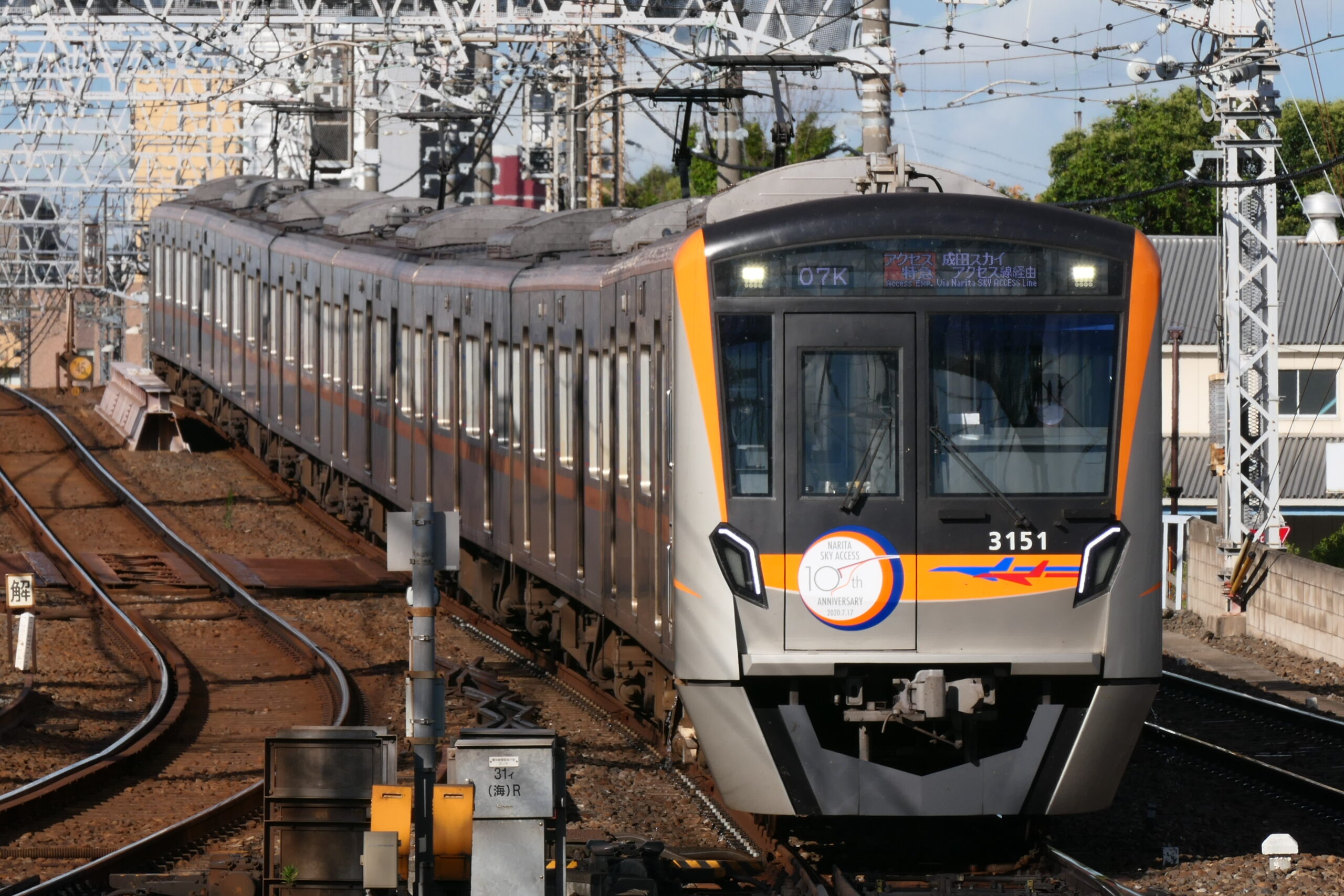
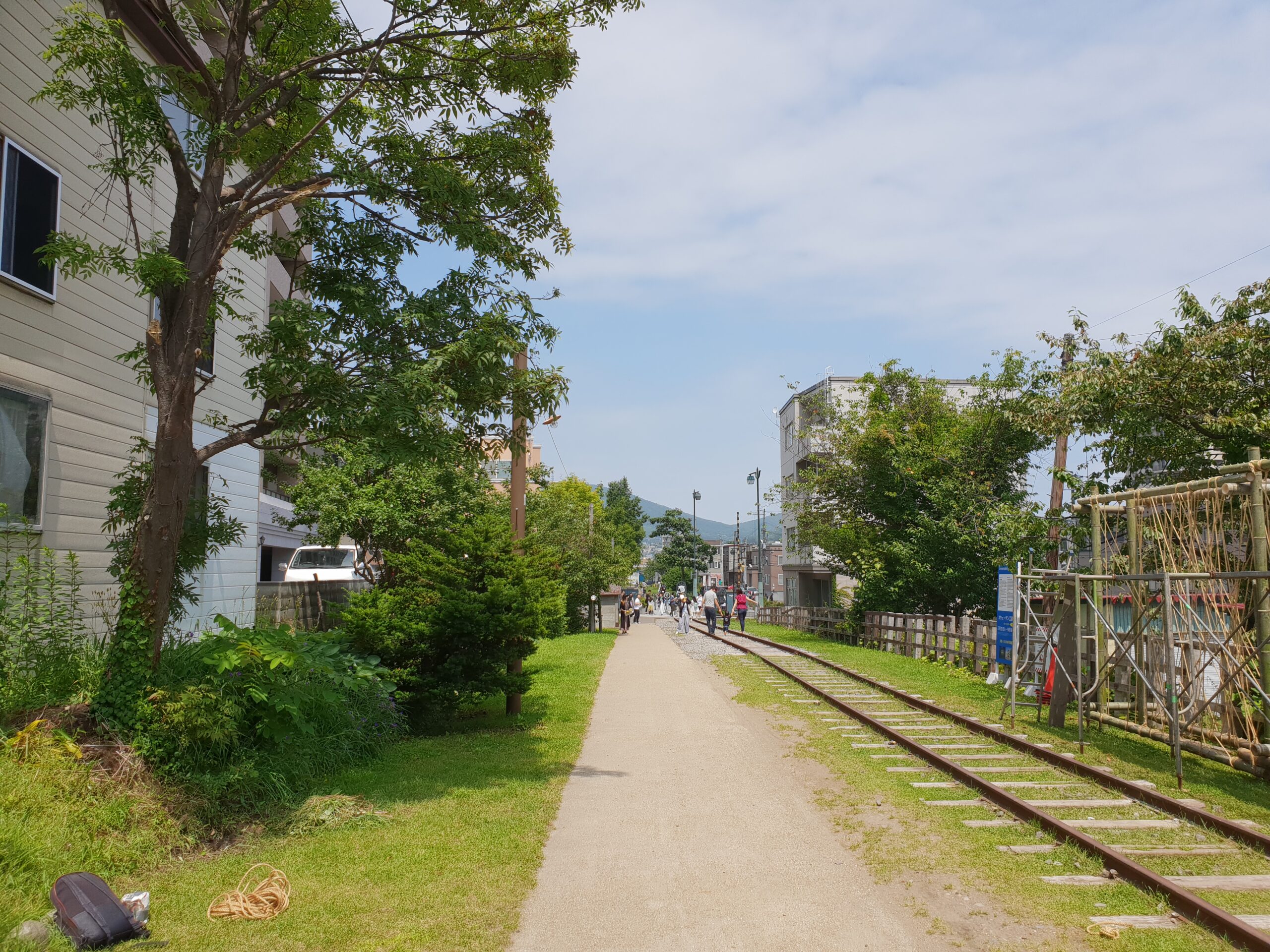
The useful question after landing at New Chitose is not which service reaches Sapporo fastest on a headline timetable. It is which journey gets you, your bags and everyone traveling with you to the first place you actually need. A hotel beside Sapporo Station, a Susukino address and a restaurant in Toyohira can lead to different answers. Compare the complete route before purchasing the airport leg.
Start with the hotel entrance or first appointment
Save the exact address and entrance, then compare a train itinerary with a bus route that actually stops nearby. Count the walk from the arrival platform or bus stop and any local connection. Do not assume that a service labeled Sapporo ends at the most useful place for your hotel. The quickest rail leg can still leave you with a separate subway or taxi decision.
New Chitose Airport's official transport page provides separate rail, bus and taxi information and identifies transport counters in both terminal buildings. Use those sources to check your terminal and intended departure. An advertised journey duration begins at a defined point; it does not include immigration, collecting checked bags or finding the boarding area. Avoid promising anyone a hotel arrival time based on the flight's scheduled landing alone.
Understand the Airport train ticket before boarding
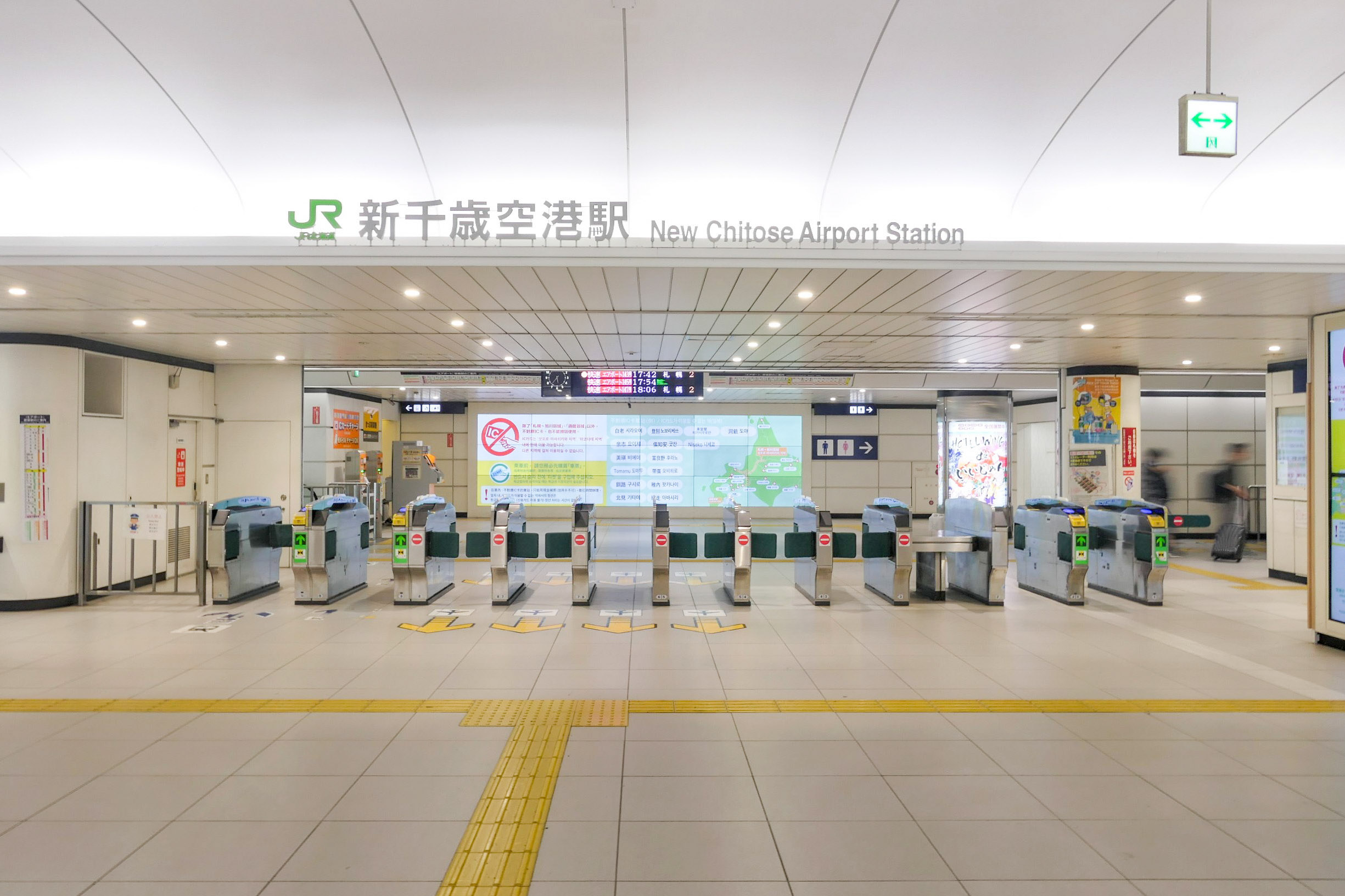
JR Hokkaido distinguishes ordinary non-reserved seating from the reserved-seat option. Its official instructions require a basic fare plus a reserved-seat ticket for the reserved car; an IC card for the basic journey does not itself reserve a seat. If you have bought only a reserved-seat e-ticket, read how the basic fare is handled before reaching the gates.
Non-reserved seating avoids choosing a seat in advance but does not guarantee one will be available. A group that wants to sit together should compare the actual reservation availability with the convenience of traveling immediately. Keep suitcases under control and follow staff directions rather than assuming that purchasing a seat creates unlimited storage space. Check the operator's current baggage limits if your bags are unusually large or numerous.
Two arrivals show why the final destination matters
In a 2017 travel account, Manca described arriving early, taking the train to Sapporo and leaving luggage in a station locker before exploring. A June 2025 Japanese trip diary describes choosing a bus to Toyohira instead of the writer's usual train to Sapporo because dinner was planned there; the bus encountered traffic delay after an already delayed flight.
Both journeys made sense around a destination beyond the airport. Their difference is what happened after arrival: station-based luggage storage supported one morning, while a neighborhood stop suited the other's dinner plan. Our inference is to compare the whole journey and keep arrival-day reservations flexible. These historical accounts do not establish current locker availability, bus punctuality, restaurant acceptance times or a universal winner between rail and road.
Compare luggage handling as well as riding time
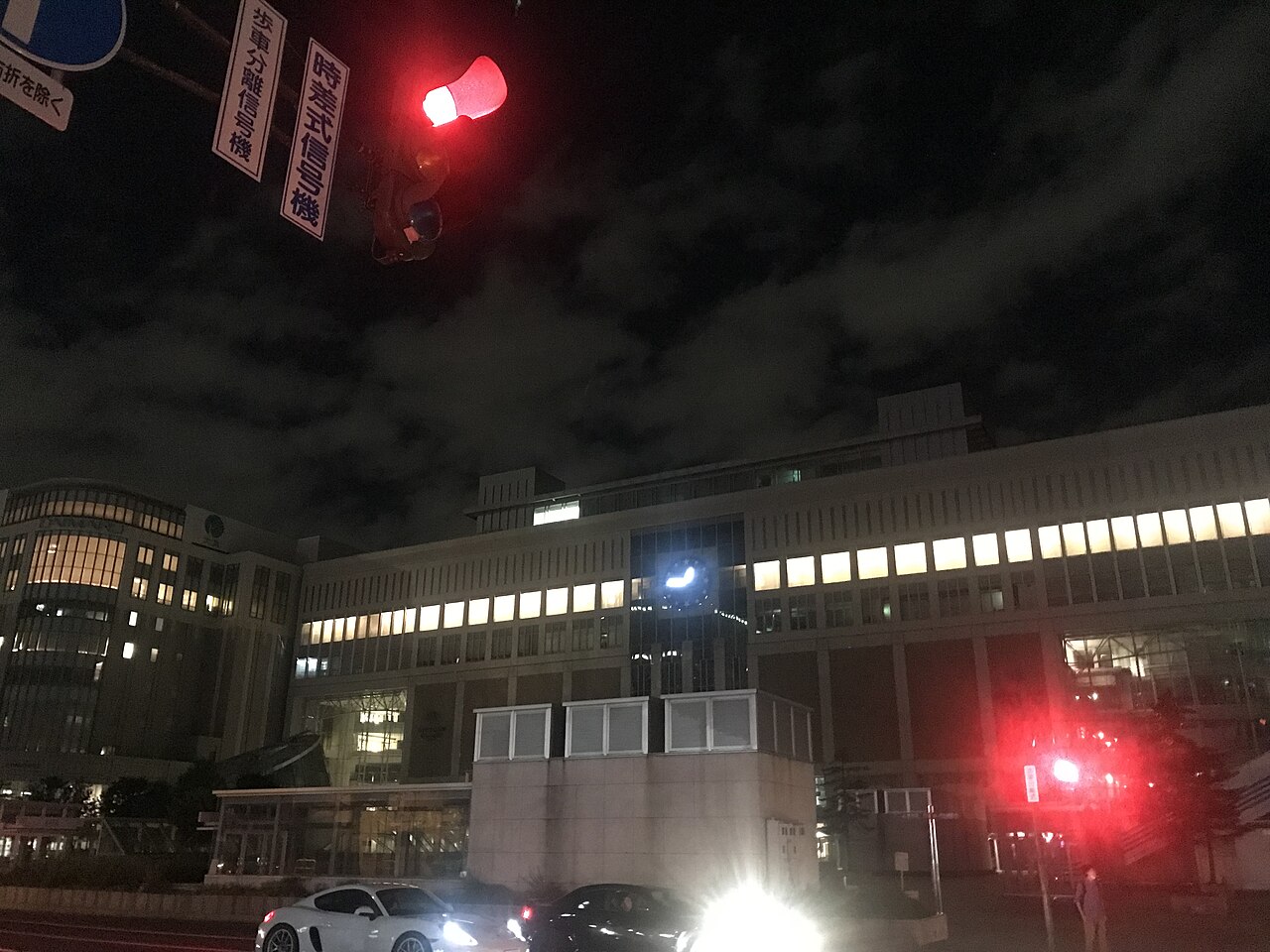
Write down how many times you must lift, carry or wheel each bag. For a hotel reached directly from a bus stop, fewer transfers may matter more than the minutes shown for the airport leg. For a station-area hotel, rail may keep the route straightforward. Check the actual bus baggage policy and stop location; do not assume every route accepts every oversized item or delivers to the hotel door.
The airport lists luggage storage and delivery services, but investigate their current operating hours, destination coverage and delivery timing before building a same-day plan around them. Carry medicines, travel documents and anything you need before the bag arrives yourself. A traveler's successful delivery or locker use is a possibility to investigate, not a reservation made on your behalf.
Leave a workable fallback for a late flight
Check the timetable for your date and realistic terminal-exit time, then identify what you would do if that connection were missed. A route available in midafternoon may not have the same choices late at night. Ask the transport counter about the actual next departure and where to board. If considering a taxi, confirm the complete quote and destination rather than extrapolating from an old blog.
For the return journey, work backward from the airline's required airport arrival, including your terminal and baggage procedures. Allow for the consequences of a missed train or road delay. Book a reserved seat when its comfort and timing solve your group's problem; choose a bus when its stops and baggage arrangements fit better. The best comparison ends at your door and uses today's operator information, not yesterday's airport-to-city ranking.
Research-based guide prepared by JAPANOVA. Traveler accounts are individual self-reports; comparisons are editorial analysis.
Facility and shop information
- New Chitose Airport — checked 2026-10-19