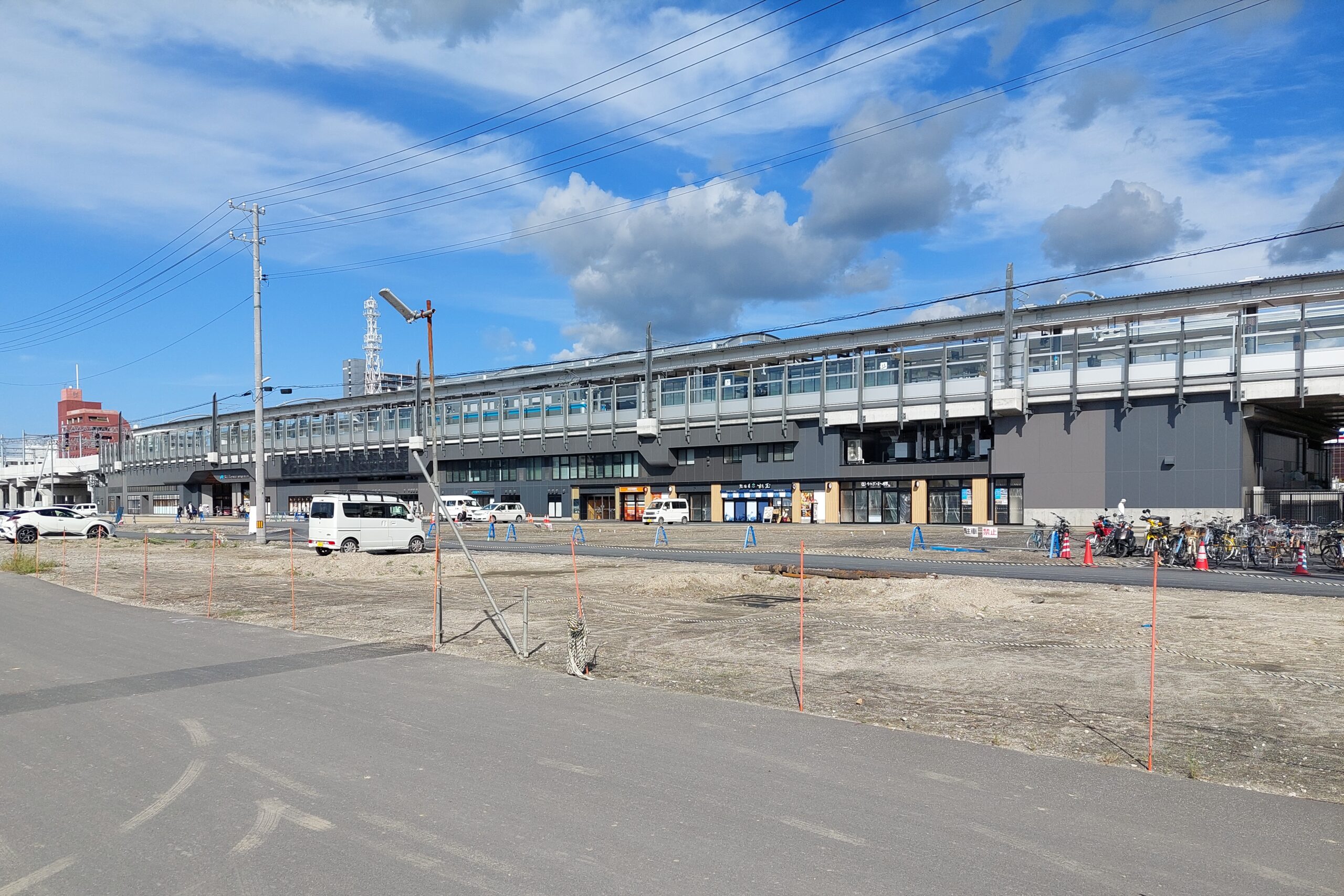
The most useful ferry to Miyajima depends on where you begin in Hiroshima and what you want from the journey. A short crossing from Miyajimaguchi fits a rail-based day. A direct boat from Peace Memorial Park can join two major visits without retracing the city, but it has different booking and operating constraints. Plan the outward and return journeys separately rather than buying a round trip before drawing the day.
Choose the mainland departure point first
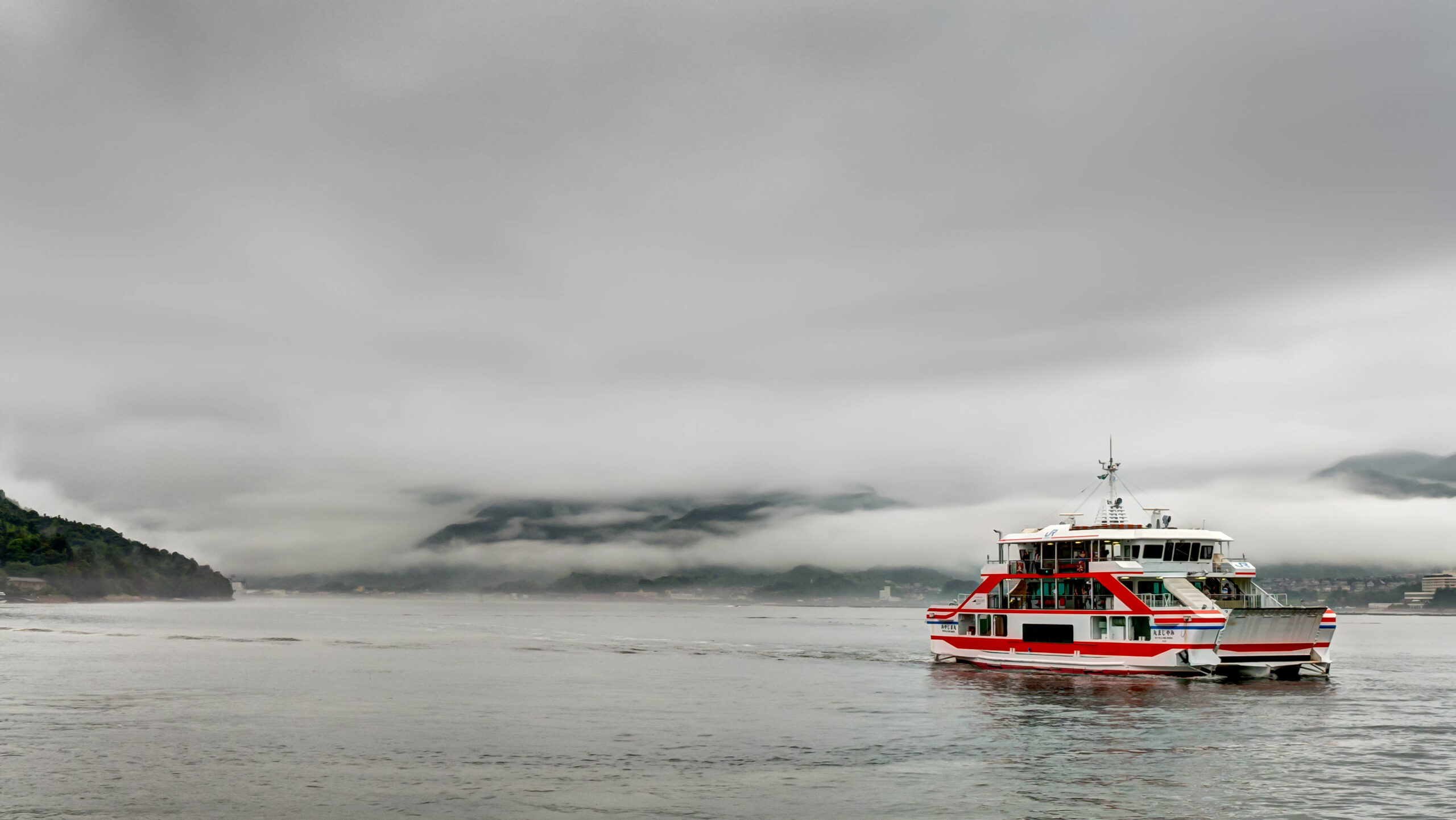
Write down whether you will leave from Hiroshima Station, your hotel or Peace Memorial Park. For the short crossing, Miyajimaguchi is the mainland departure area; Miyajima is the island destination. Keeping those names distinct helps prevent booking the wrong meeting point. JR Miyajima Ferry publishes its own timetables and fare instructions. The ferry photograph here illustrates that short-crossing option, not the direct river service.
For a park-based departure, Aqua Net's World Heritage Sea Route leaves from the Motoyasu pier near the Atomic Bomb Dome and travels by river and sea. It can be a useful continuation after a park visit. It is a different product, with a different fare and timetable. Compare the complete journey, including the walk to the pier and the departure you can actually board.
Treat the direct boat as a timed commitment
Aqua Net says advance reservations are accepted only through the day before travel; same-day customers should go to the ticket office. Do not assume an online request made on the morning of your visit secures a seat. Check the dated timetable before organizing a museum visit around a sailing, and leave time to reach the actual reception point.
The operator explains that high water can reduce clearance under bridges and low water can affect the river route. Sailings may be canceled or altered. This makes the direct boat a useful choice when its particular departure fits, rather than a guaranteed shortcut in every condition. Save a mainland rail-and-short-ferry alternative before leaving your hotel, particularly if you have a fixed evening train.
What two reported days suggest
In a November 2025 account, Robbert Tigchelaar described finding the next Peace Park boat full, waiting for another departure, and returning by the shorter ferry and train. In a separate first-person discussion, traveler figital666 described enjoying a tram journey through Hiroshima's neighborhoods and taking the train on the return.
Both accounts show that a day need not use the same route twice. Their priorities differ: one encountered a capacity constraint on a direct sailing, while the other valued the slower city journey as part of the outing. JAPANOVA's inference is to choose each leg for its purpose. These individual reports do not establish a normal queue, a universal fastest route or today's fares; operational details should come from the ferry operators.
Compare payment and pass rules by operator
JR's English information lists transport IC payment and links to its rail-pass guidance. Check the exact pass you hold and any separate visitor-tax payment instructions before using it. A pass accepted by one ferry operator should not be treated as permission to board every boat serving the island.
Aqua Net's direct-route page says transport IC cards are not accepted, although it lists cash and credit-card payment. That small distinction can matter when you have planned the whole day around tapping a card. Compare the final amount and ticket conditions for your selected service rather than importing a price from a travel diary. Also distinguish a return ticket from two separate single journeys if you intend to come back by another route.
Plan the island day without trapping the return
Choose the activities you most want on Miyajima, then identify a return departure that leaves a comfortable mainland connection. Do not schedule a final island stop until the last possible minute simply because the crossing itself looks short. Walking to the pier, finding the correct queue and reaching your next train all belong in the calculation.
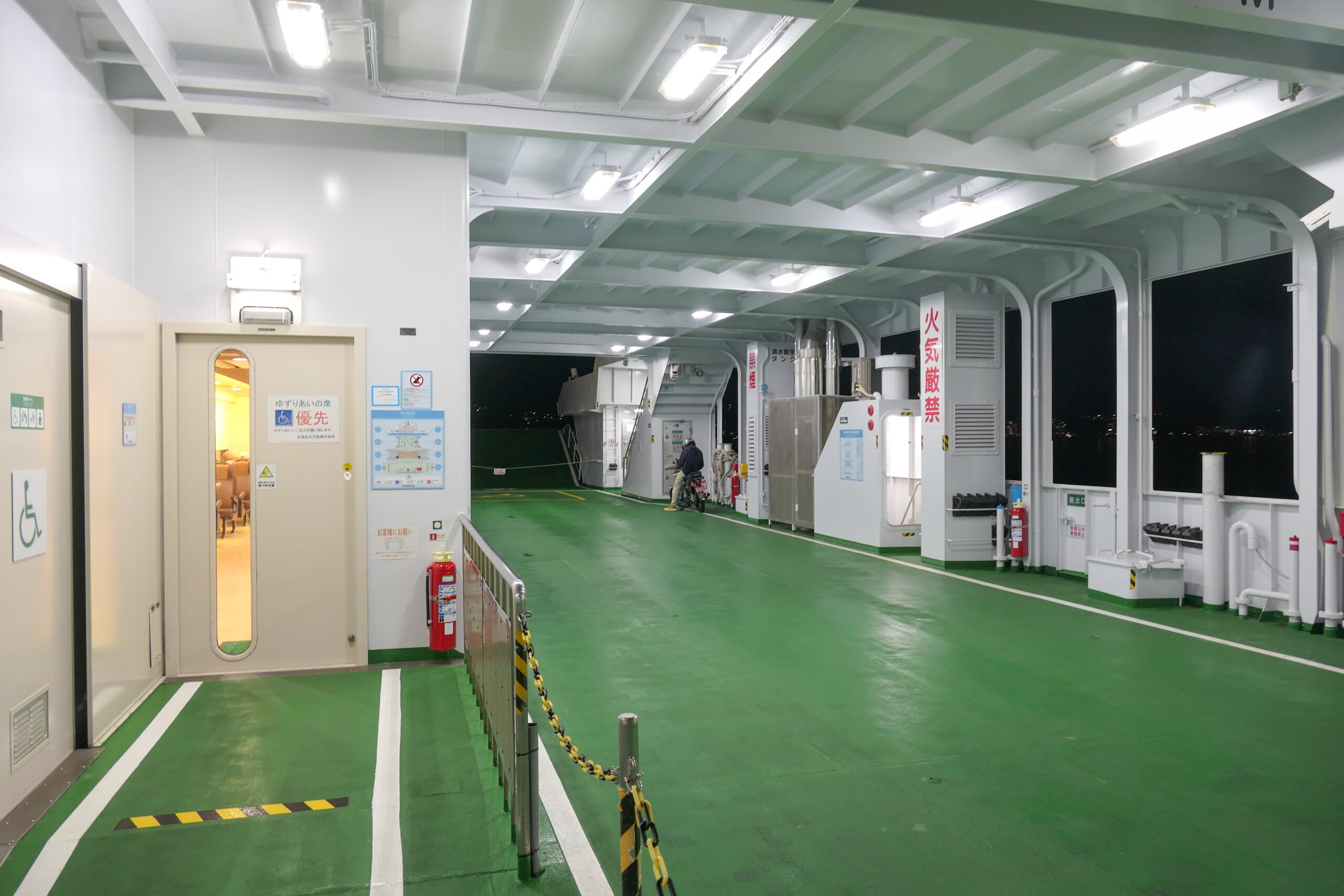
Check boarding assistance with the operator if steps, luggage or mobility are important. Photographs show different vessels and deck arrangements; they are not promises of today's assigned boat or a step-free route. The vehicle-deck image is of Matsudai's Aki, another short-crossing operator, and illustrates why facilities should be confirmed for the service you will actually take.
Use a simple outward-and-return decision
Start near Peace Park and want the river journey? Compare the direct boat's dated departures, booking deadline and operating notices. Start with a rail connection or need more freedom to rearrange the day? Begin by checking the short-crossing timetable and the journey to Miyajimaguchi.
Before paying, save the operator name, mainland pier, island pier, fare inclusions, payment method and return plan. Keep a screenshot or offline copy of the instructions, but check live changes again on the day. A good route is one that fits the whole visit and still leaves a workable way home if the preferred boat is full or affected by river conditions.
Research-based guide prepared by JAPANOVA. Traveler accounts are individual self-reports; comparisons are editorial analysis.