Kotohiragu's famous stair count hides an important planning choice. The main shrine is at step 785; the inner shrine is at step 1,368. Reaching the main shrine is already a complete visit, and continuing higher is an additional decision rather than a requirement. Choose the endpoint around your party's energy, conditions and return journey instead of treating the largest number as the only successful outcome.
- Choose a main-shrine or inner-shrine visit
- Budget for the descent as well as the climb
- Two climbs challenge the idea that everyone must continue
- Separate access arrangements from driving shortcuts
- Give the town and resting places a role
- Check the shrine before committing the day
- Facility and shop information
Choose a main-shrine or inner-shrine visit
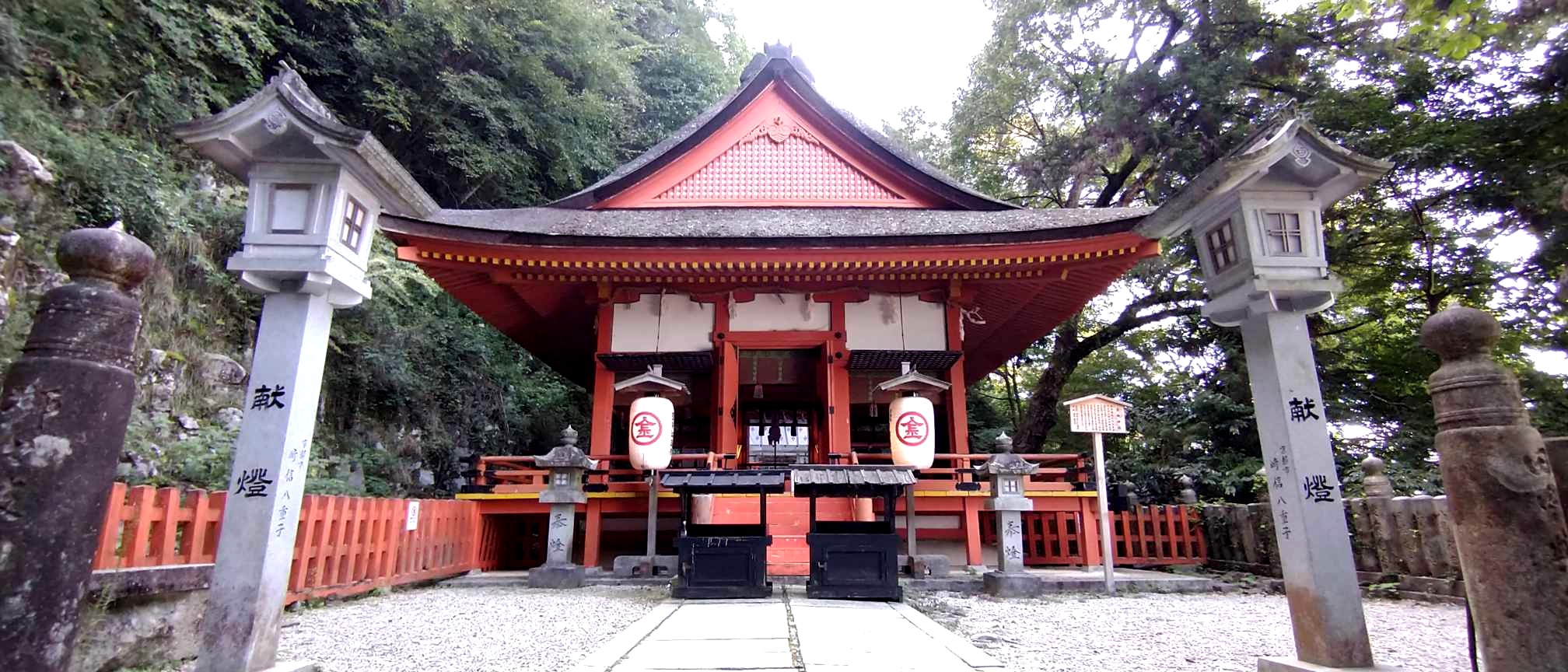
The shrine's own guide distinguishes the 785-step climb to the main shrine from the additional climb to the inner shrine. Put those two endpoints on your plan before starting. The inner-shrine photograph in this guide shows the higher destination; it should not be mistaken for the building every visitor reaches at the main-shrine level.
If traveling with different abilities or interests, agree that people can stop at different points. A planned main-shrine visit can include time to worship and appreciate the setting without becoming a test of endurance. Continuing higher may suit someone who specifically values that further pilgrimage, provided the route is open and there is enough time and energy to descend comfortably.
Budget for the descent as well as the climb
Kotohiragu's own access guidance suggests approximately an hour on foot from the first step to the main shrine. Treat that as an orientation estimate, not a performance target or a promise for your group. Resting, worship, heat, rain and the condition of the steps can all change how your visit feels. Add the descent and the town walk separately.
Choose footwear you are comfortable using on steps and keep hands free where practical. Plan a stopping point and a latest turnaround time before an onward train. Do not use a faster traveler's time to judge a child, older companion or someone who simply wants to go slowly. If the conditions or your own comfort make continuing unsuitable, changing the endpoint is part of using the plan well.
Two climbs challenge the idea that everyone must continue
A July 2026 HedonistHK family account described a hot visit in which older relatives and a young child stopped while the writer continued to the main shrine, then chose not to tackle the inner shrine. A separate Finding Fukuoka account, published in 2011 about a 2007 visit, reflected on a tiring climb to the main shrine and found more meaning in the journey than in treating the view as a spectacular prize.
Both writers stopped at the main-shrine stage, but their emphasis differs: one illustrates different limits within a family; the other questions judging the effort only by the final panorama. These are two personal experiences, not a safety assessment or a consensus on difficulty. JAPANOVA's suggestion is to choose the endpoint for the visit you want, rather than feeling obliged to complete all 1,368 steps.
Separate access arrangements from driving shortcuts
The shrine says it does not provide a general visitor car park. Its guidance directs drivers toward parking in town and warns about using navigation that leads onto narrow or restricted roads. A pin at the shrine does not mean you can drive a normal car to the main building. Check your chosen parking arrangement and the remaining walking route before setting out.
Special vehicle arrangements mentioned by the shrine have conditions. Likewise, parking associated with a cafe is not blanket permission for every pilgrim to bypass the climb. If you need an access alternative, contact the facility about your specific situation and the destination you want to reach. Do not interpret a photograph, a private tour description or an old blog as proof of independent step-free access.
Give the town and resting places a role
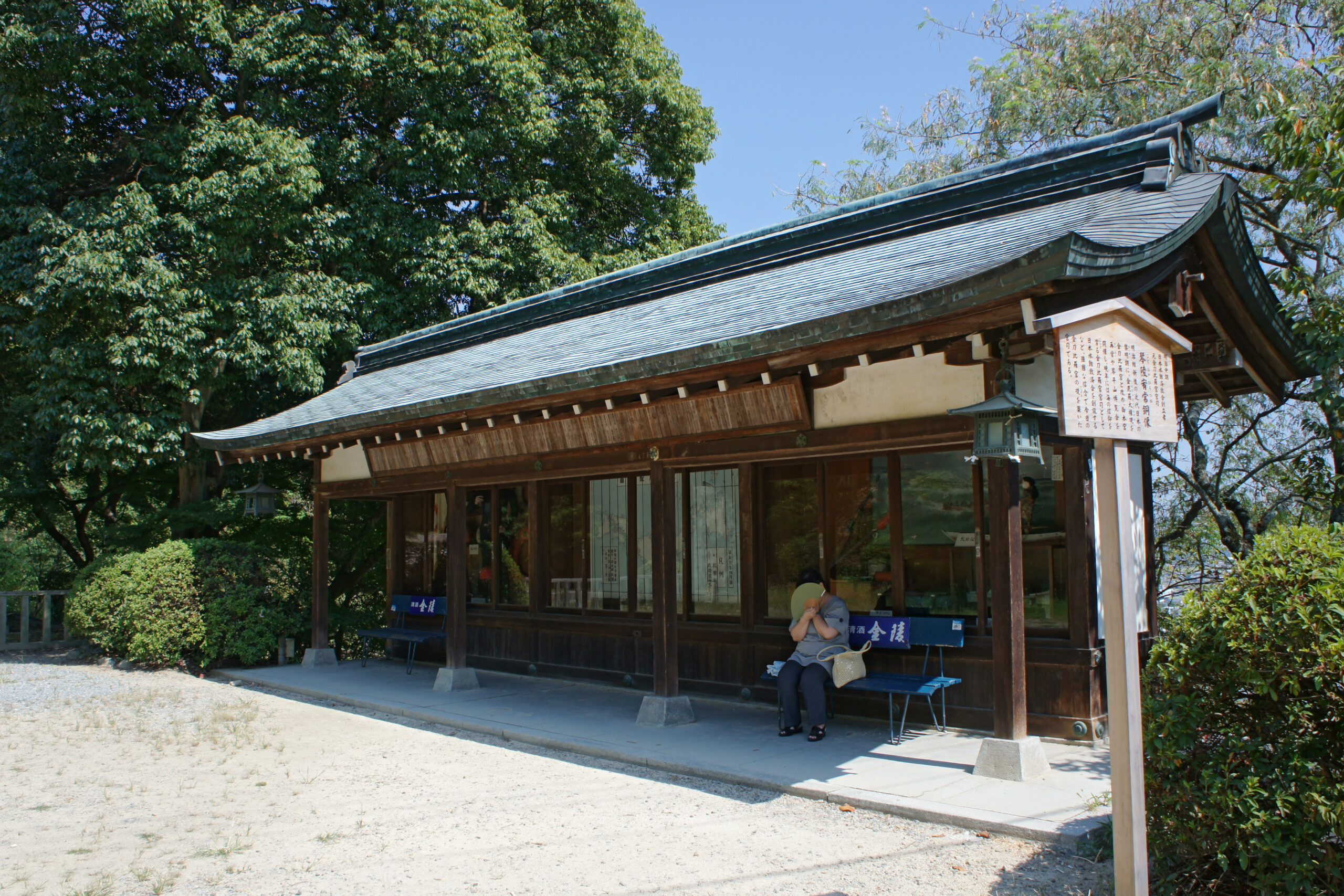
An approach lined with places to pause can make a mixed-interest visit easier to organize, but check the opening arrangements of any business you intend to rely on. Agree on a recognizable meeting place and a way to communicate if members of the party turn back. A historic photograph of a bench or building does not establish a currently open rest facility.
Avoid making someone wait indefinitely while another person adds the inner shrine as an unannounced extension. Discuss that extra climb at the main-shrine stage, including how you will reunite and whether the return connection still works. Leave space for a drink or meal afterward if that is part of your day. The town should be time you can use, rather than a reward squeezed into the last few minutes.
Check the shrine before committing the day
Use the shrine's current guide for route notices, access conditions and worship etiquette. Keep paths clear, follow signs on photography and remember that this is an active religious place. A scenic stop should not obstruct people using the steps or approaching a shrine building.
A main-shrine plan is the straightforward starting point for someone unsure about the full climb. An inner-shrine plan needs a separate allowance beyond the main building and the willingness to change it. In either case, protect time for the descent, town exit and onward transport. The useful question is not whether you can claim the highest step number, but whether your chosen route gives you a respectful and manageable visit.
Research-based guide prepared by JAPANOVA. Traveler accounts are individual self-reports; comparisons are editorial analysis.
Facility and shop information
- Kotohiragu official site — checked 2026-10-19
- Kotohiragu official visit guide — checked 2026-10-19