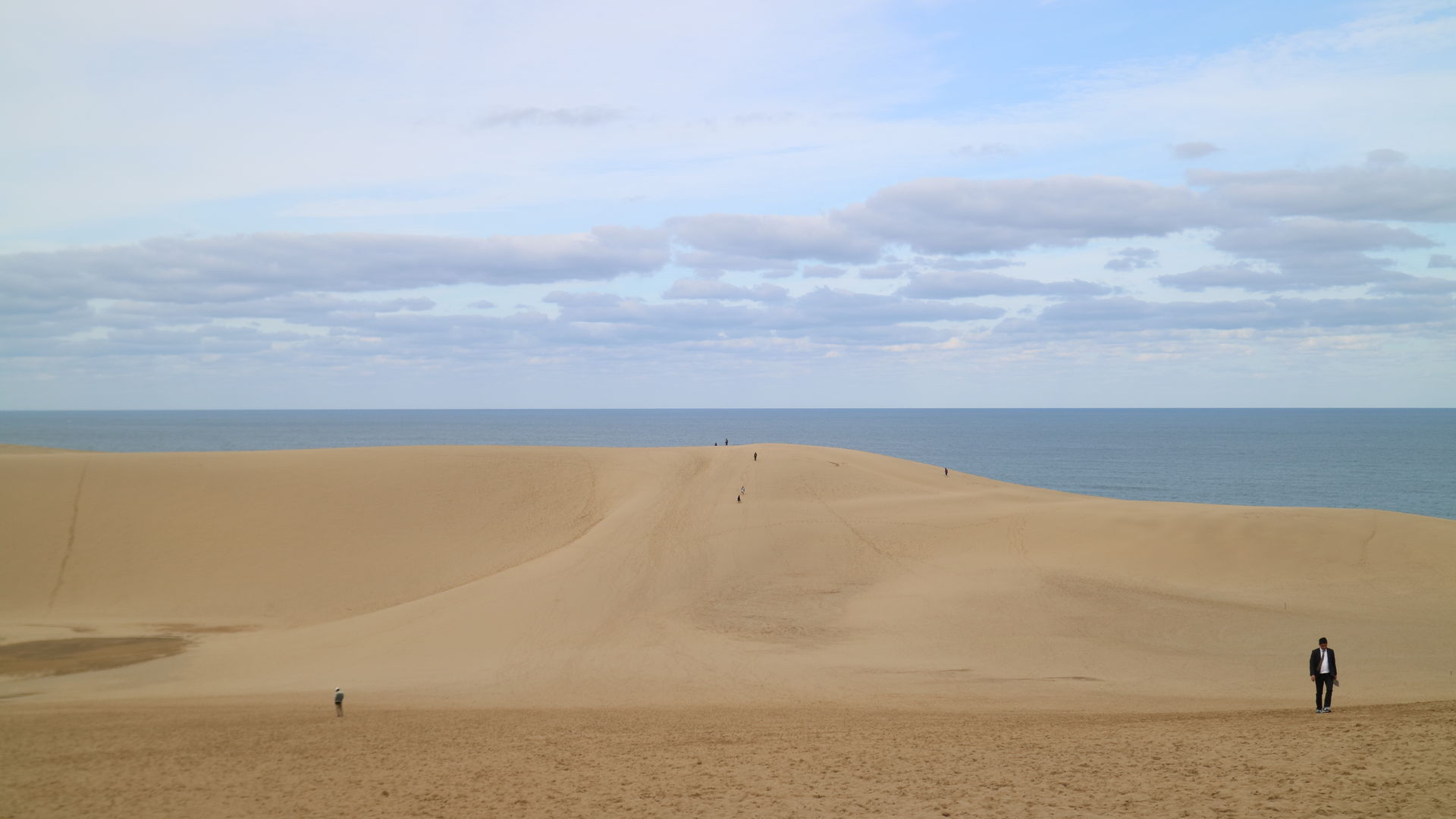
Kyushu offers enough variety to tempt a traveler into planning three holidays at once. City evenings, hot-spring stays, historic places and outdoor days all compete for the same nights. If Fukuoka is your starting point, the most useful first decision is which direction your trip should take, rather than how many prefectures you can include.
Kyushu Tourism Organization describes seven prefectures: Fukuoka, Saga, Nagasaki, Kumamoto, Oita, Miyazaki and Kagoshima. They offer different reasons to travel. Use those differences to choose a coherent route, and leave the idea of covering the entire island for a trip that genuinely has enough time.
Choose an anchor beyond the arrival city
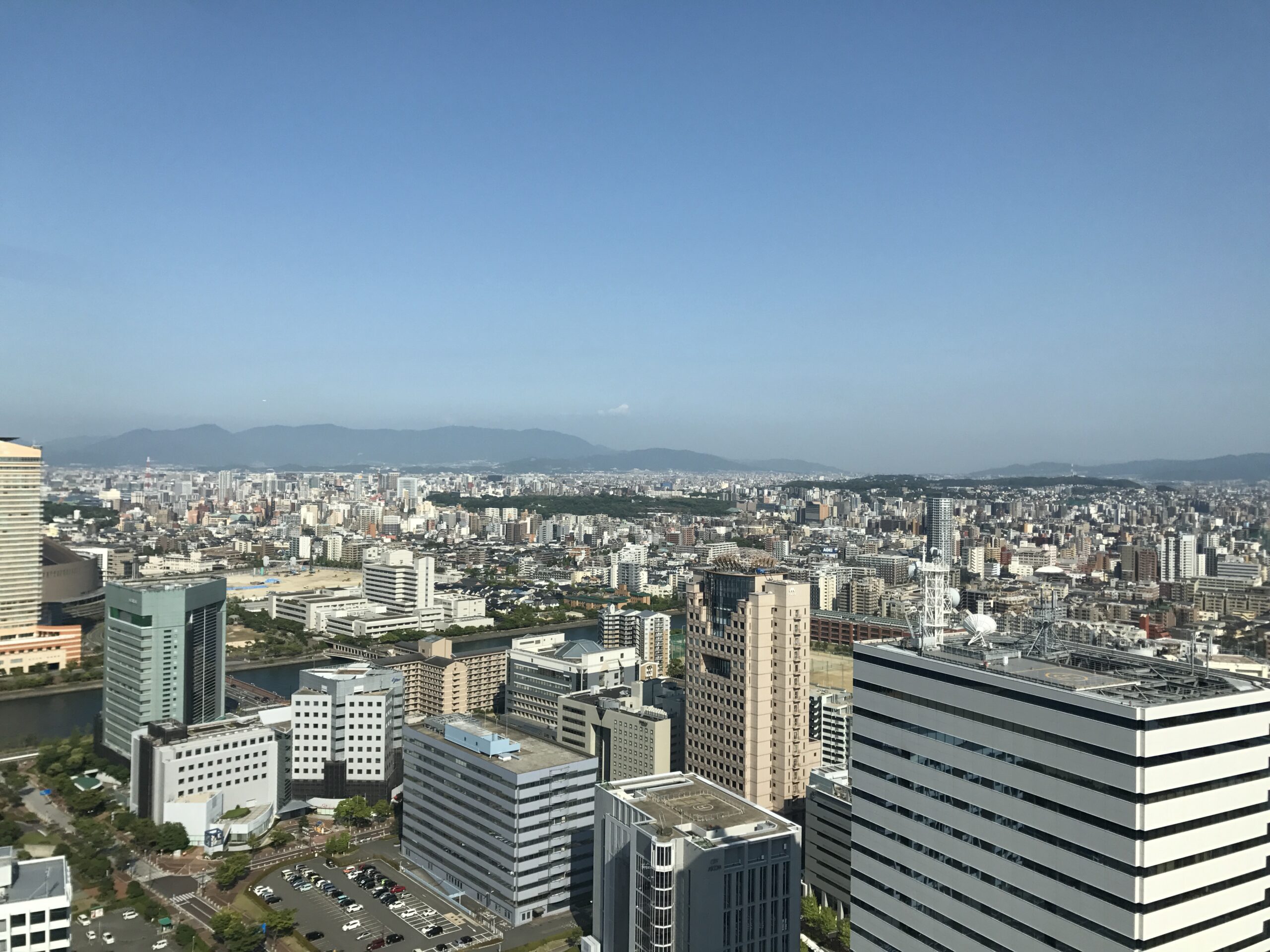
Start by selecting one experience that deserves an overnight stay in its own right. Nagasaki may interest travelers drawn to international history. Oita offers the hot-spring towns of Beppu and Yufuin. Kumamoto is associated with its castle and the Aso area. Kagoshima combines a city setting with the presence of Sakurajima, while Miyazaki offers coastal and forest landscapes. Saga adds a strong craft interest.
These broad associations are starting points for research, not guarantees about a particular attraction, route or hotel. Choose an anchor that matches your interests, then investigate access and the surrounding day trips. Trying to combine all of them can make accommodation changes the main event of the holiday.
Read the rail map carefully
For the Hakata–Nagasaki direction, JR Kyushu describes the Relay KAMOME connection with the Nishi Kyushu Shinkansen at Takeo-Onsen. Put that change into your plan rather than assuming a direct bullet train. Check your exact service and date before paying.
JR Kyushu distinguishes the Kyushu Shinkansen route between Hakata and Kagoshima-Chuo from the Nishi Kyushu Shinkansen route between Takeo-Onsen and Nagasaki. Do not interpret the shared word Shinkansen as a promise of a direct bullet train from Fukuoka to every city you want to visit.
Use the operator's current route and timetable information to test your plan. Check the station names, where changes are required, and the final local transfer after the longer train journey. Keep the journey to your accommodation in the comparison; arrival at a main station is not the same as arriving at the hotel door.
Make one route do several jobs
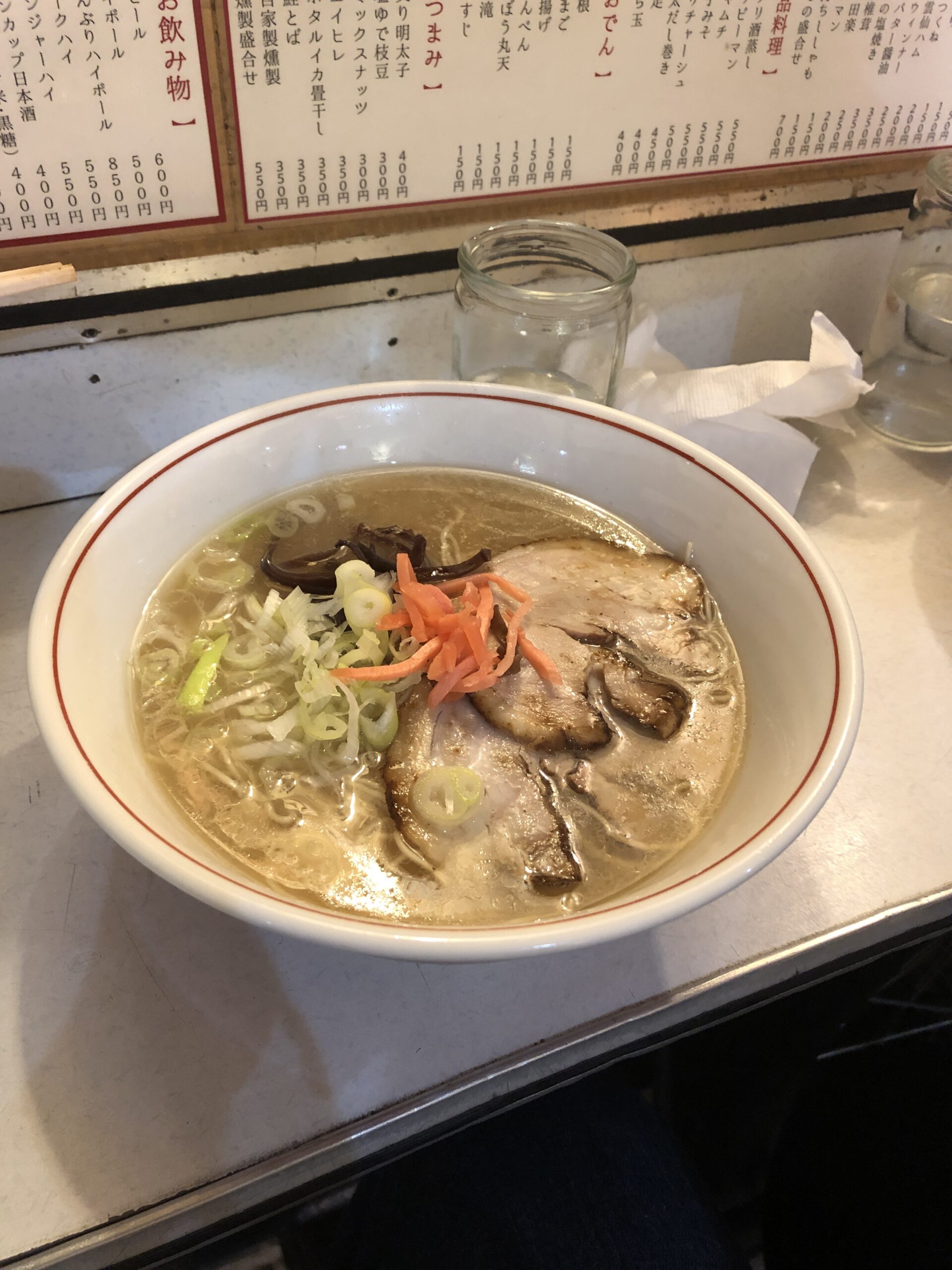
Our suggested approach is to use Fukuoka for your arrival and initial city time, then add one main direction. Choose a western chapter if Nagasaki and Saga are your priorities, an Oita chapter for a hot-spring focus, or a southern chapter built around Kumamoto and Kagoshima. These are planning options rather than fixed itineraries or promises about travel times.
Give the second chapter a clear purpose. If you want a restful accommodation experience, avoid arranging every day as a long departure from that accommodation. If you want city culture, compare a centrally useful location with the convenience of being beside an intercity station. Neither choice is automatically better for every traveler.
Keep outdoor plans adaptable
One traveler reported a weather-cancelled Gunkanjima boat trip and switched to other Nagasaki sightseeing. Another could not eat at Fukuoka's crowded yatai that evening. The common lesson is to keep a nearby alternative; the difference is whether a provider-dependent excursion or an informal meal is disrupted. These are two personal accounts, not cancellation rates or a prediction of queues.
An outdoor attraction deserves more preparation than a pin on the map. Decide the exact place or activity, check the current access and conditions, and leave a fallback that does not depend on the same weather. For volcanic areas, look for current local restrictions rather than assuming a general tourism description means access is unrestricted.
This is especially important when an outing is the reason for choosing a base. If it becomes unavailable, you should still have a worthwhile day nearby. A flexible schedule is a practical part of the trip, not an empty space that must be filled in advance.
A first-trip pacing framework
For a short visit, our recommendation is Fukuoka plus one main base. For a longer trip, add a third only after the actual transfers leave enough time at each destination. Treat travel days honestly and resist attaching several major activities to an arrival evening.
Before booking, compare your chosen journeys with any pass you are considering. Verify dates, service coverage, seat requirements and cancellation conditions. Confirm the opening calendar of your must-see attraction before fixing hotel nights around it.
A satisfying Kyushu itinerary has a recognizable purpose: a cultural journey west, a restorative hot-spring chapter, or a route toward the south. Start with that purpose, make the transport work, and allow the destinations to offer more than a brief stop between trains.
Three checks that change what you should book
First, choose whether your second base is a city stay, a hot-spring accommodation stay or an outdoor base. A room beside a station helps one kind of day; a property that is the experience itself requires time there and a workable arrival before any included meal. Next, test the onward transfer with luggage. Finally, compare the actual tickets with a pass, including reservation and collection conditions.
An illustrative short-trip structure is arrival and a flexible Fukuoka meal, a full city day, then a transfer to one second base with time left on arrival. This is our planning suggestion, not a verified four-day package. Add nights where the purpose of the stay demands them, rather than adding another hotel to claim another prefecture.
Decide whether your Fukuoka day needs a guide
Keep the arrival evening flexible and begin with an independent city day if your priority is choosing a few places at your own pace. The crowded-yatai account above is a reason to have another meal in mind, not evidence that buying a guide guarantees a seat. A guided day is worth comparing when you want explanation and help connecting selected sights; it does not replace the decisions about your second Kyushu base.
The linked Fukuoka private tour was listed on October 25, 2026 as approximately six hours with a licensed local English-speaking guide. It offers a choice of three or four sites from the listing, rather than promising every place shown in its long itinerary list. Pickup means meeting the guide on foot within the designated Fukuoka area. A private vehicle is not included. Do not read the word private as a car transfer, or the Fukuoka label as an intercity tour of Kyushu.
Compare the guide price plus the costs of your chosen route with the independent day you would otherwise take. The listing excludes transportation, entrance fees, lunch and personal expenses. Agree the exact meeting and finishing places, which stops fit, how you will travel between them, and who pays any guide expenses before committing. If step-free access, short walking distances or frequent rests are important, confirm the specific route rather than relying on a general accessibility label. Keep a fixed-start six-hour activity away from an uncertain arrival or onward train connection.
At our October 25 check, the cancellation policy allowed a full refund when cancelled at least 24 hours before the start; cancellation within 24 hours was non-refundable and changes within that period were not accepted. The cutoff uses the experience's local time. Recheck the terms for your selected option and date before paying. Choose the guided option only if that commitment and the total cost suit the city day you want; otherwise retain the flexible independent plan. No current price, availability, reserved yatai seat or transport saving is promised.
Research-based guide prepared by JAPANOVA. Traveler accounts are individual self-reports; comparisons are editorial analysis.