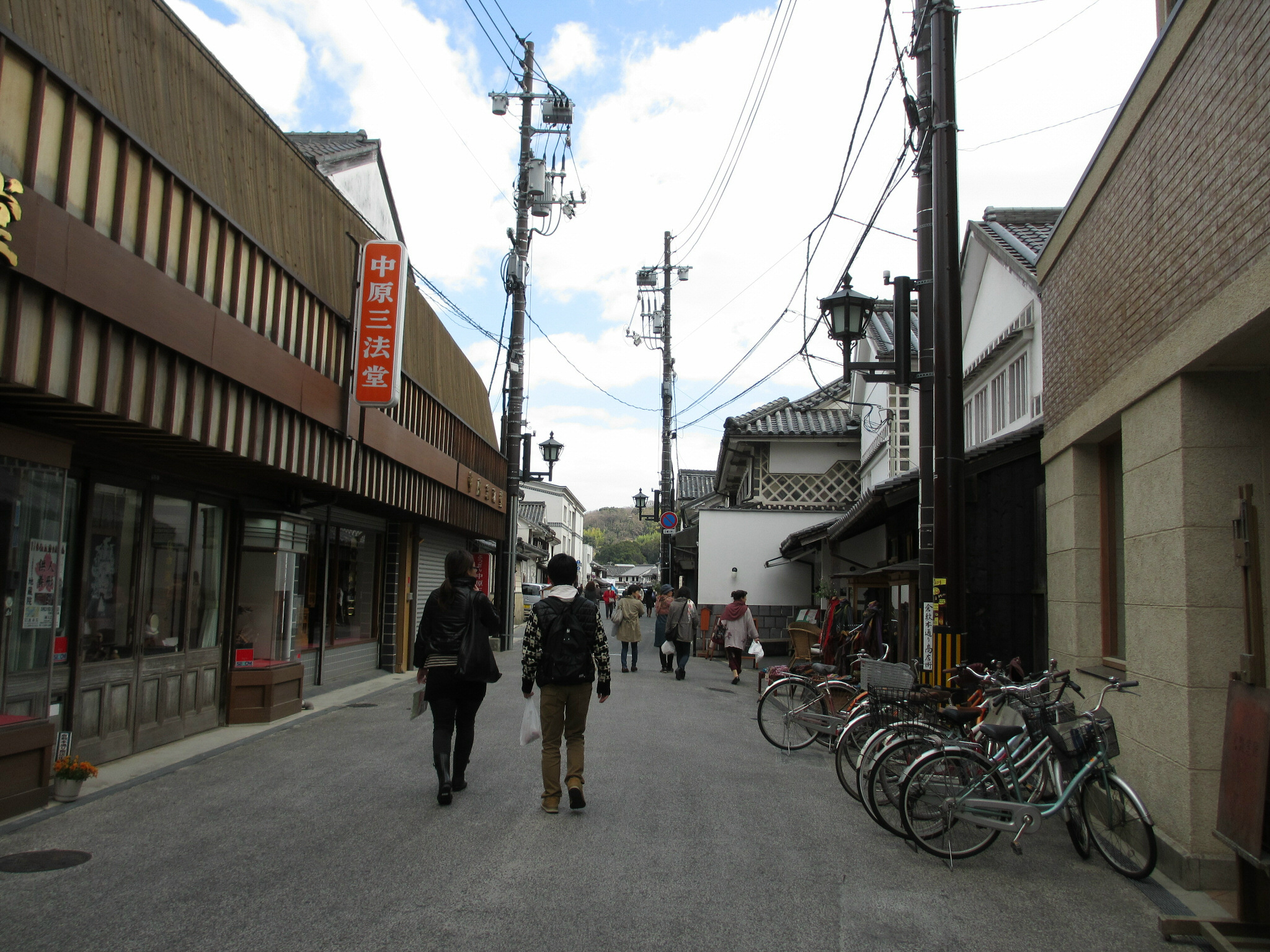
A kitchen knife can become a useful reminder of Kyoto, but the most attractive blade in a display is not automatically the right tool for your home. At Nishiki, slow the purchase down enough to understand what you are buying and how you will care for it. This guide focuses on that decision, rather than a food crawl or a ranking of shops. Buying nothing is a reasonable outcome if the important questions remain unanswered.
Begin with the cooking you actually do
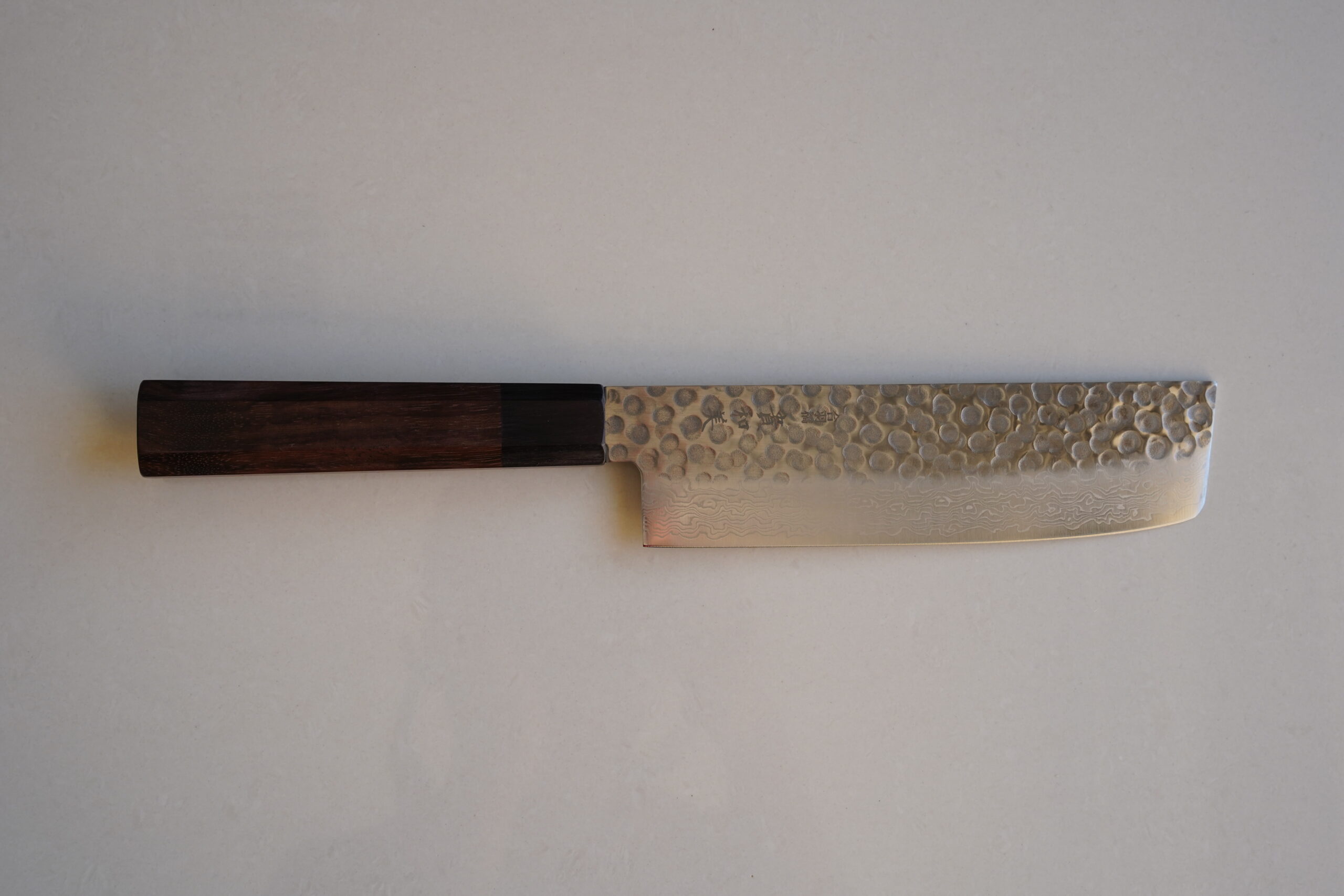
Describe the tasks you want the knife to handle before choosing a shape. Explain what you regularly prepare, what knife you already use and what you find uncomfortable about it. Tell the seller whether you are buying for yourself or someone else. A specialist tool that suits a professional task may be a poor souvenir for someone wanting one convenient everyday knife.
Ask permission before handling display stock and follow the shop's instructions. Pay attention to how the handle sits in your hand and whether the size feels manageable. A blade's appearance or a familiar name cannot answer those personal questions. If you are buying a gift, avoid guessing about the recipient's grip, preferred length or willingness to maintain a different tool.
Plan a shop visit rather than a hurried market purchase
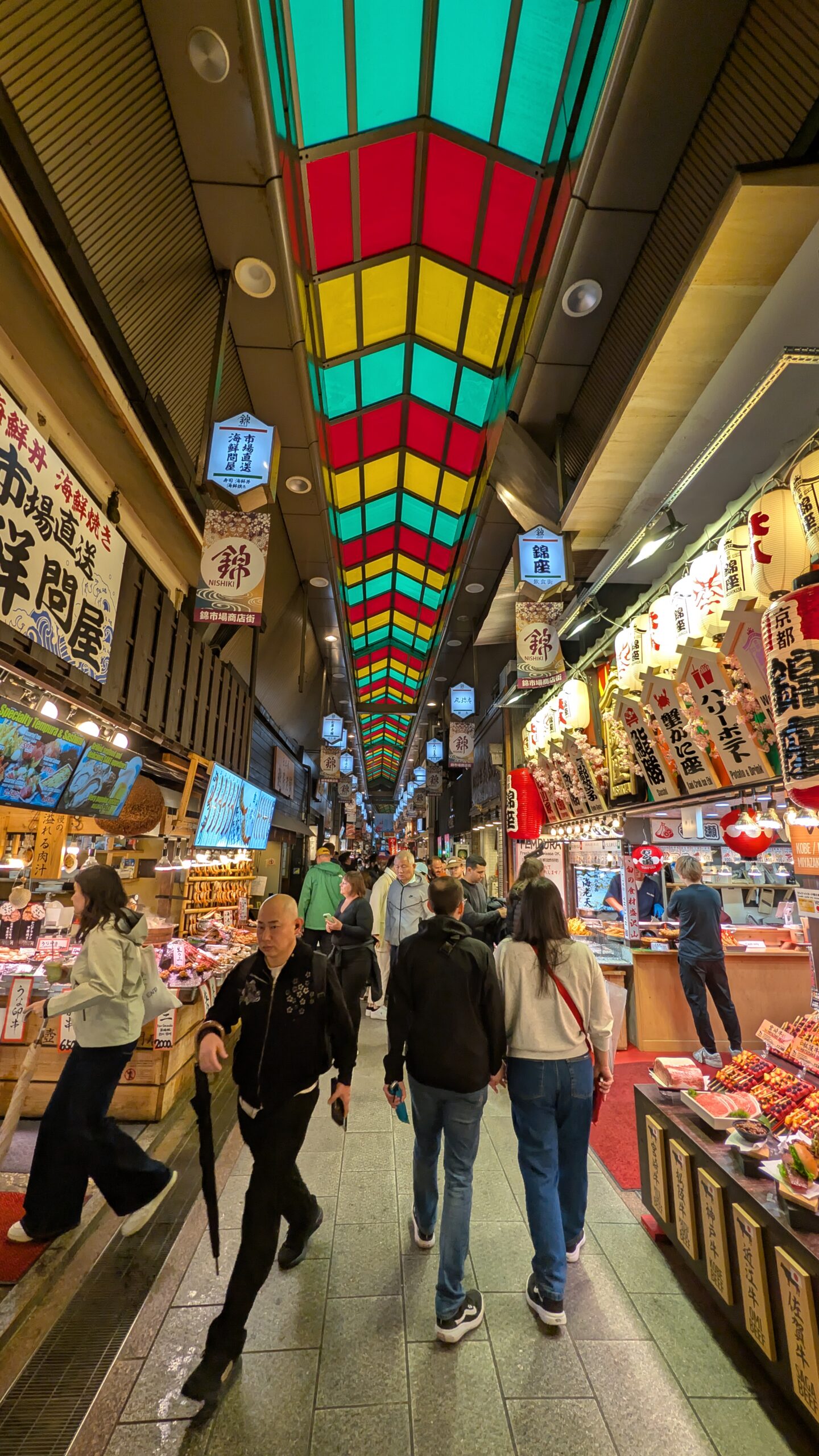
Aritsugu's official website identifies its Nishiki shop separately from its head office. The market association's current listing gives a Wednesday closure and an earlier reception cutoff than the listed closing time. Check the shop's own current information before setting out, especially if a conversation, personalization or service is central to your visit. The head-office contact hours shown in a website footer are not the retail shop's opening hours.
Give the purchase a dedicated part of the day, leaving meals and other shopping around it. A crowded market stroll is not a good reason to rush a technical conversation. If you need time to consider two options, step aside where appropriate and avoid blocking another customer's access. Ask whether a purchase can be collected later rather than assuming the shop can store it while you continue sightseeing.
What two owners learned after the excitement
Tokyo Terrace's April 2012 first-person account describes discussing uses with a shop worker, choosing a multipurpose knife and accepting the care demands of the selected material. The writer valued the explanation and subsequently enjoyed using it. In a separate March 2025 account, HANAE recalls a long-considered travel purchase at Kyoto's Aritsugu, but also reports letting that steel knife rust despite knowing it required attention.
Both describe a meaningful purchase; the difference is how the maintenance worked out afterward. Neither establishes current stock, free engraving, a service price or the quality of every item carrying a shop name. JAPANOVA's inference is to make care part of the buying decision before payment. Enthusiasm in the shop and satisfaction during everyday use are connected, but they are not the same test.
Ask what the name and finish actually identify
Ask the seller to explain the manufacturer or workshop, the shop's own branding and the stated material for the individual knife. If production location matters to you, ask where the blade and other relevant work were made. Purchasing in Kyoto does not itself prove that every stage took place in Kyoto. Keep any description, maker card and care sheet together with the receipt.
Do not attempt to identify a material merely from its surface pattern or from a translated character you recognize. Ask for the product specification in writing if that information is important to your choice. When communication is difficult, a translated question and a clear written answer can be more useful than agreeing politely without understanding. An uncertain answer is a reason to pause, not fill the gap with an online guess.
Compare the final price of the actual options, including any requested extras. Ask what personalization changes about the purchase conditions before deciding on it. A historic traveler's successful engraving experience is not a promise that the same service is available, included or immediate today. Leave enough time to understand the current arrangement and decline anything that does not suit the rest of your day.
Choose care you are willing to maintain
Aritsugu's website provides separate care, repair and knife-information sections. Use the shop's instructions for the exact piece you buy. Ask how it should be washed, dried, stored and maintained, and whether there are tasks or surfaces the seller advises avoiding. If you want a particularly convenient daily routine, say so openly; care requirements are a practical preference rather than a test of how serious a cook you are.
Ask what aftercare is realistically available once you live overseas. A shop offering repair does not by itself establish international return shipping, turnaround time or a service near your home. Keep the instructions somewhere you will find them after the holiday, rather than in packaging you expect to discard. The aim is a tool you can use confidently, not one you hesitate to touch because you never understood its care.
Resolve packing and transport before paying
Check the applicable carrier, airport-security and destination rules for your actual journey before buying. Do not rely on another traveler's successful flight as confirmation of your situation. Ask the seller for protective packing and resolve how you will transport the purchase safely and lawfully. If you plan shipping, confirm destination coverage, documentation, total cost and responsibility for problems with the actual service provider.
Keep the purchase protected while moving through the market and follow the seller's handling instructions. Before leaving, make sure you can identify the item, state its intended use and find its care guidance. That is a more useful Kyoto shopping achievement than choosing the most expensive blade or buying quickly because the next train is approaching.
Research-based guide prepared by JAPANOVA. Traveler accounts are individual self-reports; comparisons are editorial analysis.
Facility and shop information
- Aritsugu Kyoto — checked 2026-10-19