To reach Asakusa from Narita Airport, compare a through Access Express service with a reserved-seat Skyliner to Keisei-Ueno followed by the Tokyo Metro Ginza Line. A suitable through Access Express avoids the Ueno change; Skyliner offers reserved seating on the airport leg, but not a reserved seat all the way to your Asakusa hotel. Check the actual departure and hotel entrance before choosing.
- Quick comparison: transfer, seat and standard adult fare
- How to take the Access Express to Asakusa
- How to take Skyliner and change at Ueno
- Separate the Access Express from the Skyliner
- Compare the complete Asakusa approach
- Two Asakusa arrivals valued different kinds of comfort
- Know what your ticket does before you pay
- Plan late arrivals and the airport return separately
Quick comparison: transfer, seat and standard adult fare
Access Express through service: no change at Ueno when the selected train serves Asakusa, and no limited-express surcharge. Keisei's Asakusa guide lists an adult one-way fare of JPY1,276 with IC or JPY1,290 with a paper ticket. Its 50-minute benchmark starts at Narita Airport Terminal2·3 Station; it is not a landing-to-hotel estimate and does not include waiting, airport procedures or the final hotel walk.
Skyliner plus the Ginza Line: a reserved airport-train seat, then a walk and change at Ueno. Standard adult components are JPY1,267 IC or JPY1,280 paper for the Keisei base fare, plus the JPY1,300 Skyliner charge, then JPY178 IC or JPY180 paper for Ueno–Asakusa on Tokyo Metro. Adding those components gives JPY2,745 using the stated IC base fares or JPY2,760 using paper fares. These are calculated normal-fare comparisons checked on25October2026, not a live booking quote or an online discount-voucher price. Recheck the chosen product before paying.
Tokyo Metro's official table gives five minutes for the Ginza Line ride from Ueno to Asakusa, with a time-of-day/train caveat. Add the walk between Keisei-Ueno and the subway, ticket handling and waiting; five minutes is not the whole transfer. This guide does not claim a fixed airport-to-hotel time for the Skyliner route.
How to take the Access Express to Asakusa
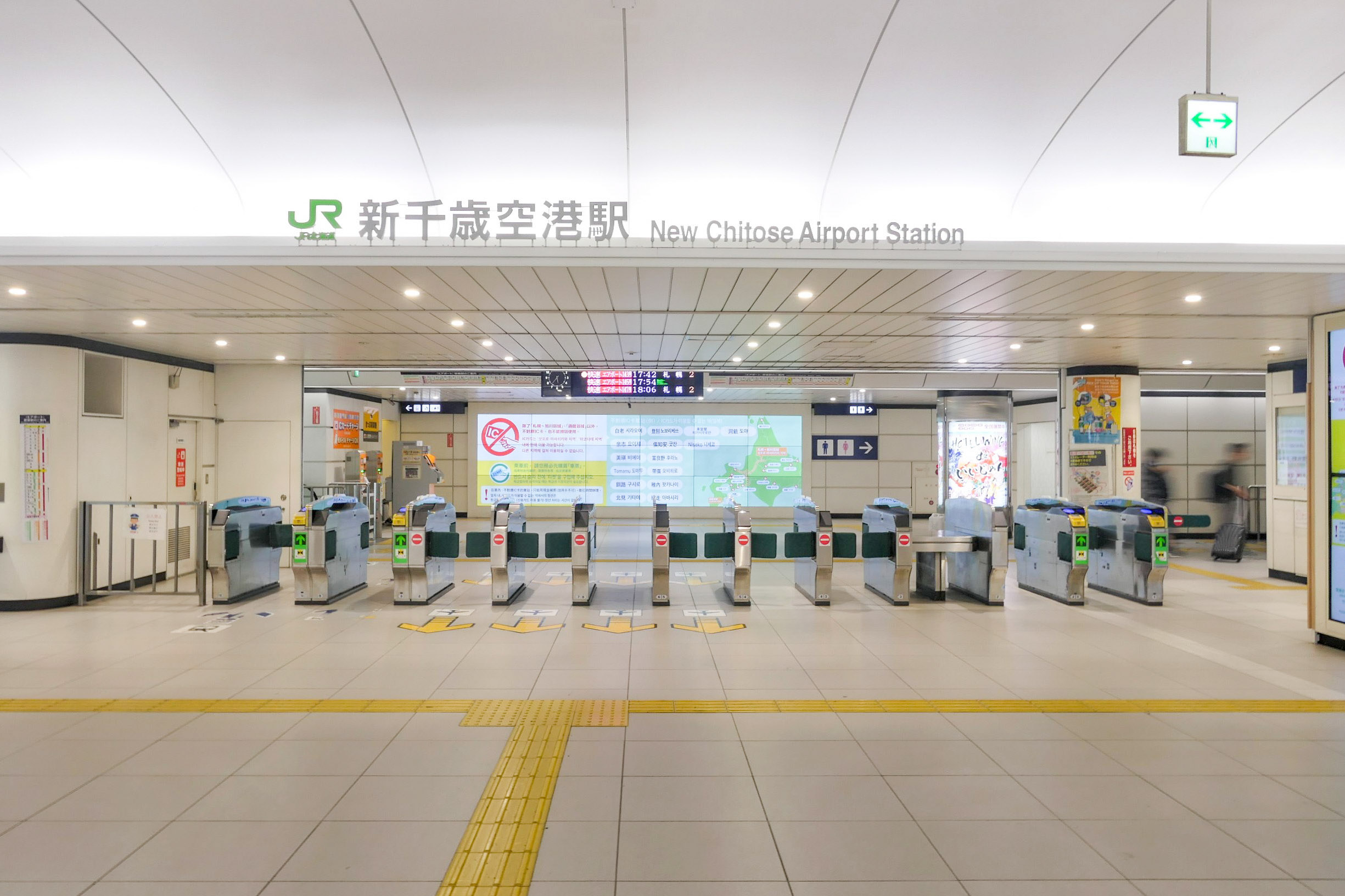
1. Go to the railway station serving your airport terminal and look for the Keisei Access Express route. Do not confuse it with Skyliner. If you arrive at Terminal3, check the airport's current directions to Terminal2·3 Station rather than assuming the station is inside Terminal3.
2. Check that the specific departure runs through to Asakusa on the Toei Asakusa Line. Match the train's destination and station stops to your journey; not every train with an airport-line name is the same service. Ask station staff if you are unsure before boarding.
3. Get off at Toei Asakusa and follow the exit directions for your accommodation. This is not an assurance that every hotel called an Asakusa hotel is beside that station or exit. Check the final walk before leaving the airport.
How to take Skyliner and change at Ueno
1. Obtain the required base fare and Skyliner reservation for your chosen departure to Keisei-Ueno. All Skyliner seating is reserved; an IC tap alone does not reserve a seat. Follow any voucher-exchange instructions for the product you purchased.
2. At Keisei-Ueno, follow signs toward Tokyo Metro's Ueno Station and the Ginza Line. Keisei-Ueno and the subway platform are separate parts of the journey. Allow time for the walk with luggage; consult current station maps for accessible routing rather than assuming a same-platform transfer.
3. From Ginza Line Ueno G16, take the Asakusa-bound service through Inaricho G17 and Tawaramachi G18 to Asakusa G19. Check the exit and walk for your hotel. This arrives at the Ginza Line station, not the same platform as the direct Access Express route.
Separate the Access Express from the Skyliner
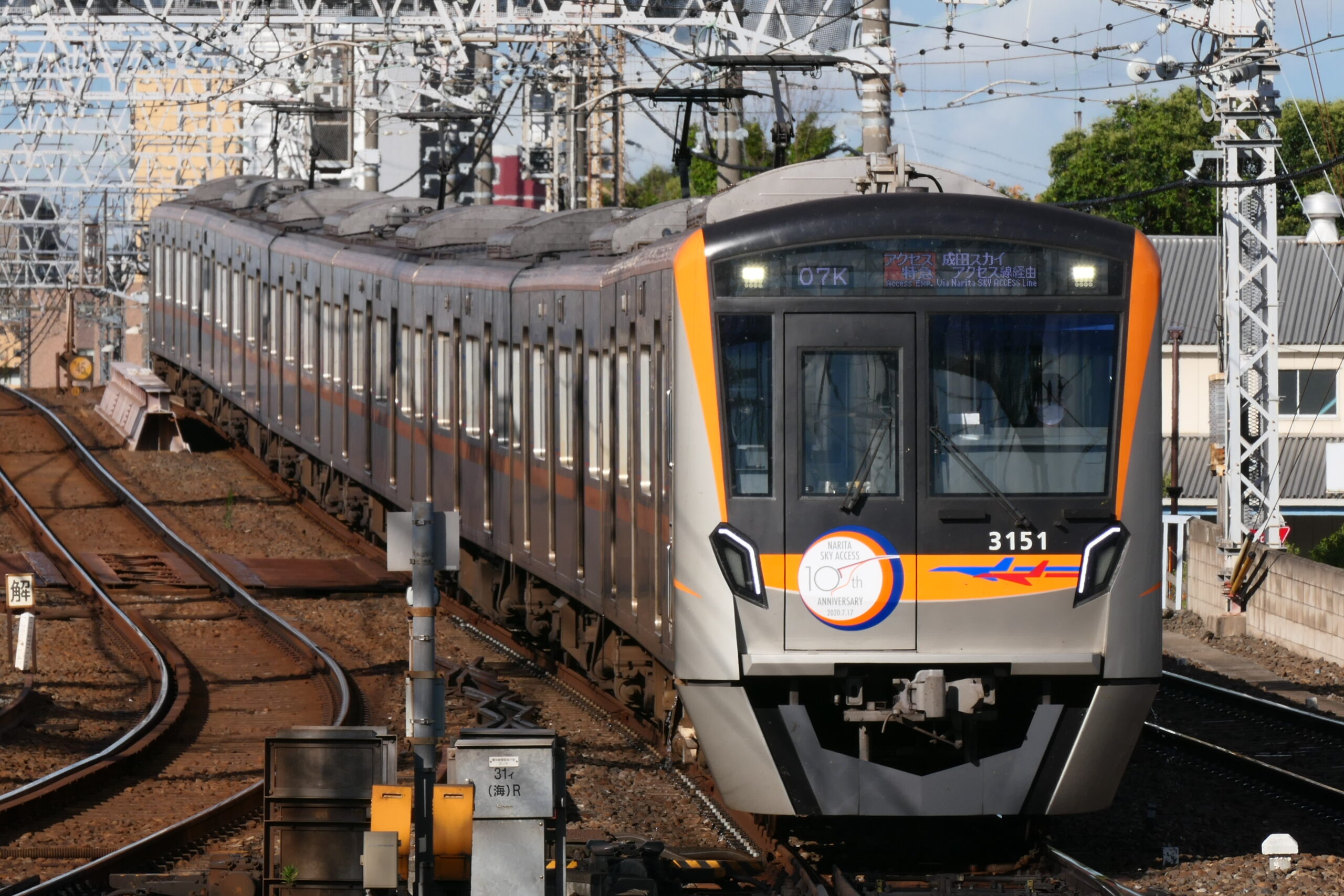
Keisei's official information treats the Access Express and Skyliner as different products. The Access Express route information states that a limited-express surcharge is not required. Skyliner purchase instructions say all seating is reserved. An ordinary fare payment and a Skyliner reservation are therefore different decisions; do not assume that tapping through a gate gives you the right to occupy a Skyliner seat.
Inspect the exact service and destination in your itinerary. A line name does not establish that every train goes through to your preferred stop. Before boarding at Narita, match the departure, destination and station stops to your route. Ask staff if the signs and your booking appear inconsistent. It is easier to correct the journey at the platform than after leaving in the wrong direction.
Compare the complete Asakusa approach
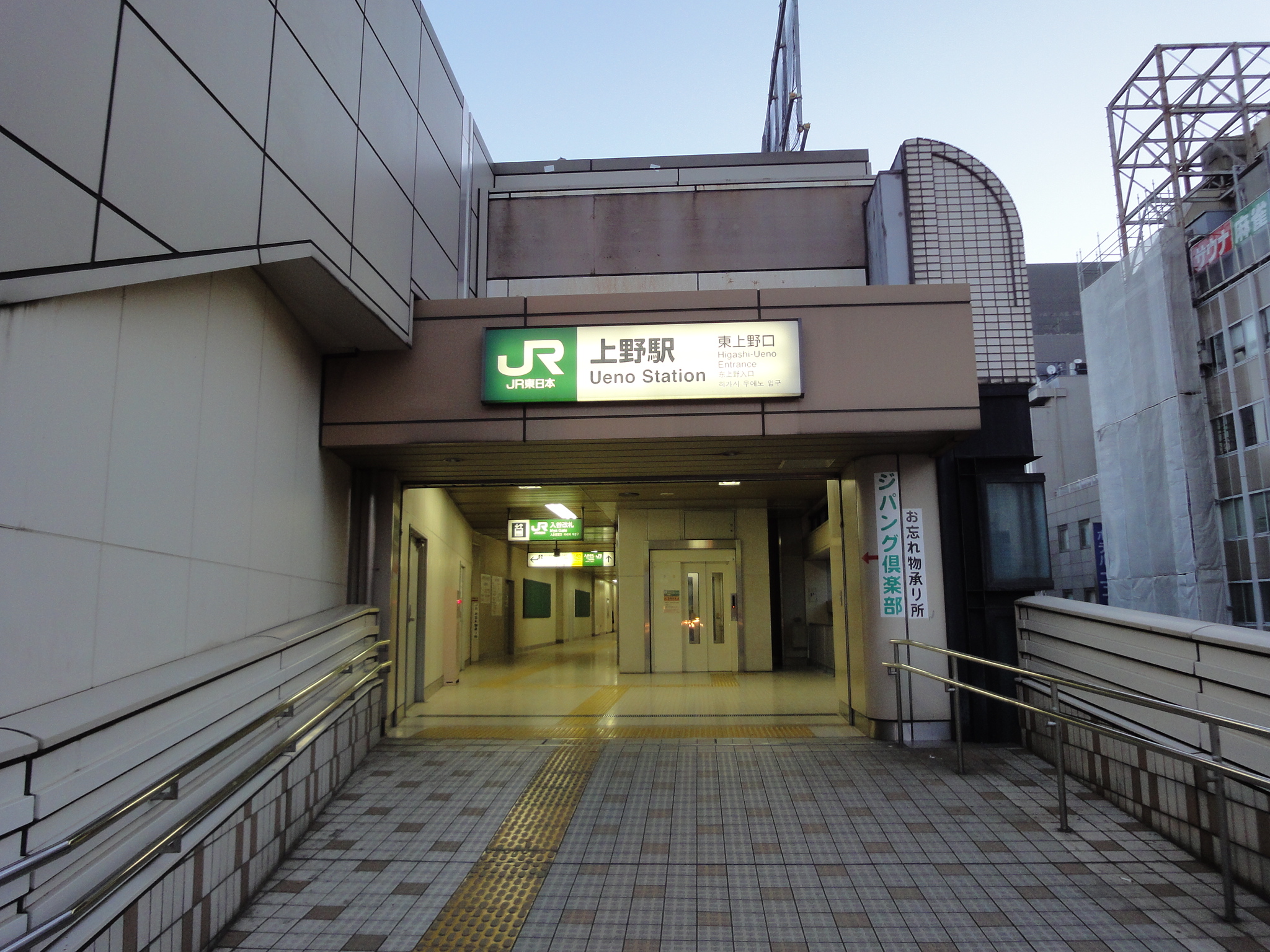
For an Access Express itinerary, check that the selected service reaches the Asakusa stop you need and map the final walk. For a Skyliner itinerary, identify the transfer after its airport leg and the entrance or exit that serves the hotel. Keisei-Ueno, JR Ueno and the subway are not simply one platform with different train names. Use the relevant station maps and allow for finding your way with luggage.
Do not confuse Asakusa on the Toei Asakusa Line with every other station carrying Asakusa in its name. A hotel described as next to Asakusa Station may be referring to a different railway entrance. Ask the property which station and exit its directions use. A nominally direct airport journey still involves a final walk that can matter after a long flight.
Two Asakusa arrivals valued different kinds of comfort
In a May 2026 discussion, Shrewd05 described taking the Access Express to Asakusa with a backpack, finding the journey acceptable and preferring to avoid the Ueno change. A different traveler, Waarheid, described arriving after a Toronto layover, feeling exhausted during the ride to Asakusa and considering a future Skyliner journey for the seating comfort despite the transfer.
Both accounts concern the same broad destination, but their experiences were shaped by baggage and fatigue. They do not prove that one train is universally fast, empty or comfortable. Our inference is to decide whether avoiding a transfer or having a reserved seat matters more to you on that particular arrival. A lighter, daytime journey and an exhausted late arrival need not produce the same purchase.
Know what your ticket does before you pay
Read the operator's current purchase instructions and the conditions of the exact product. A discounted online voucher can have an exchange process, eligibility rules or restrictions that differ from a normal station purchase. If using a reserved service, check the train and seat assignment rather than relying only on a payment receipt. Keep the ticket information accessible without depending on an unfamiliar public Wi-Fi connection.
For a through journey, inspect the full route and applicable fare, not a headline airport-to-Ueno price. If you choose a transfer, include the onward fare in the comparison. The standard-fare comparison above is not a quote for every terminal, transfer or discount product; confirm the complete itinerary you select.
Plan late arrivals and the airport return separately
Search for the date and realistic time you will exit the terminal, then keep a fallback if the intended connection is missed. Landing time does not include immigration, baggage collection or ticket handling. Confirm the hotel's latest check-in arrangements directly rather than assuming the airport train's timetable settles your arrival problem. If considering a taxi for the final leg, check the actual destination and quote.
For the return to Narita, rebuild the route from the hotel and the correct airport terminal. Do not reverse a screenshot blindly or assume a reserved service will always have the seat you want moments before departure. Leave time for the consequences of missing the first option.
Choose Access Express when its actual through service and final walk make the journey simpler for your bags and energy. Compare Skyliner when the reserved-seat leg is valuable enough to justify the transfer. The useful answer is a complete, ticketed route that reaches your own Asakusa address, with a backup you understand.
Research-based guide prepared by JAPANOVA. Traveler accounts are individual self-reports; comparisons are editorial analysis.