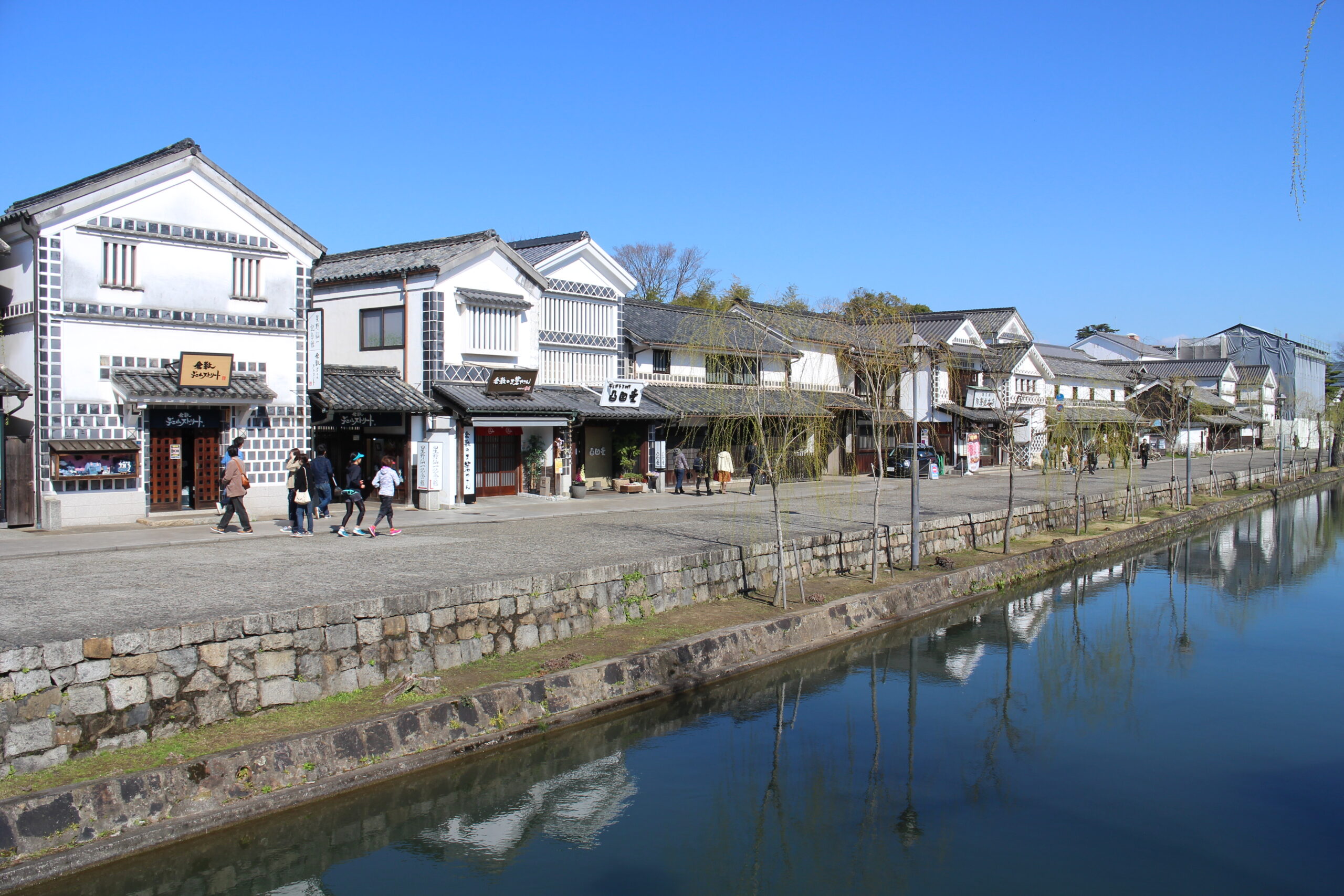
In Matsuyama, asking for the station is not precise enough. JR Matsuyama Station and Matsuyama City Station, also called Matsuyamashi, belong to different railway networks and serve different onward journeys. A tram that reaches one is not automatically taking you to the other. Save the complete station name before arriving, then choose the tram or bus that connects your actual arrival point, hotel and next departure.
Save both station names before you arrive
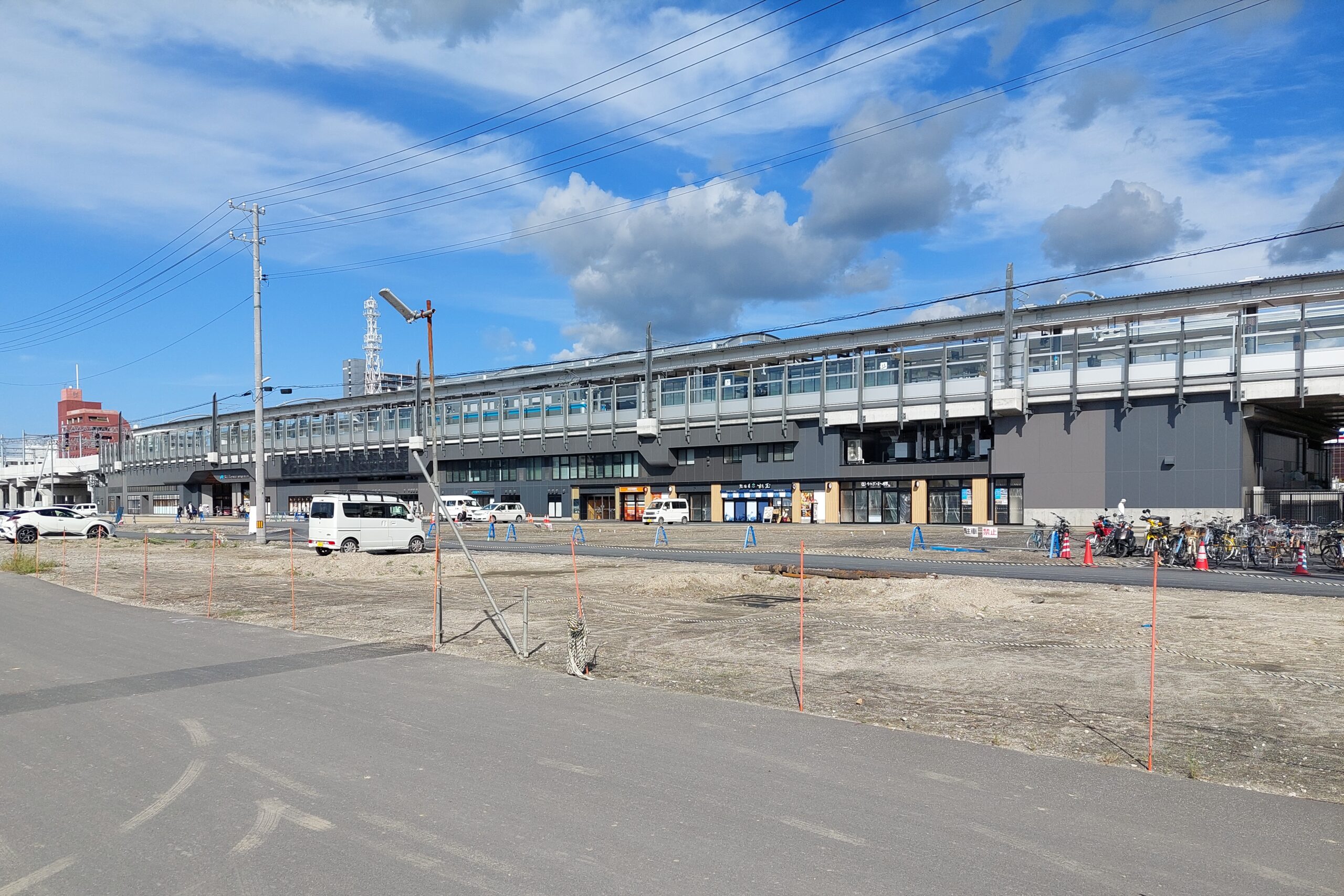
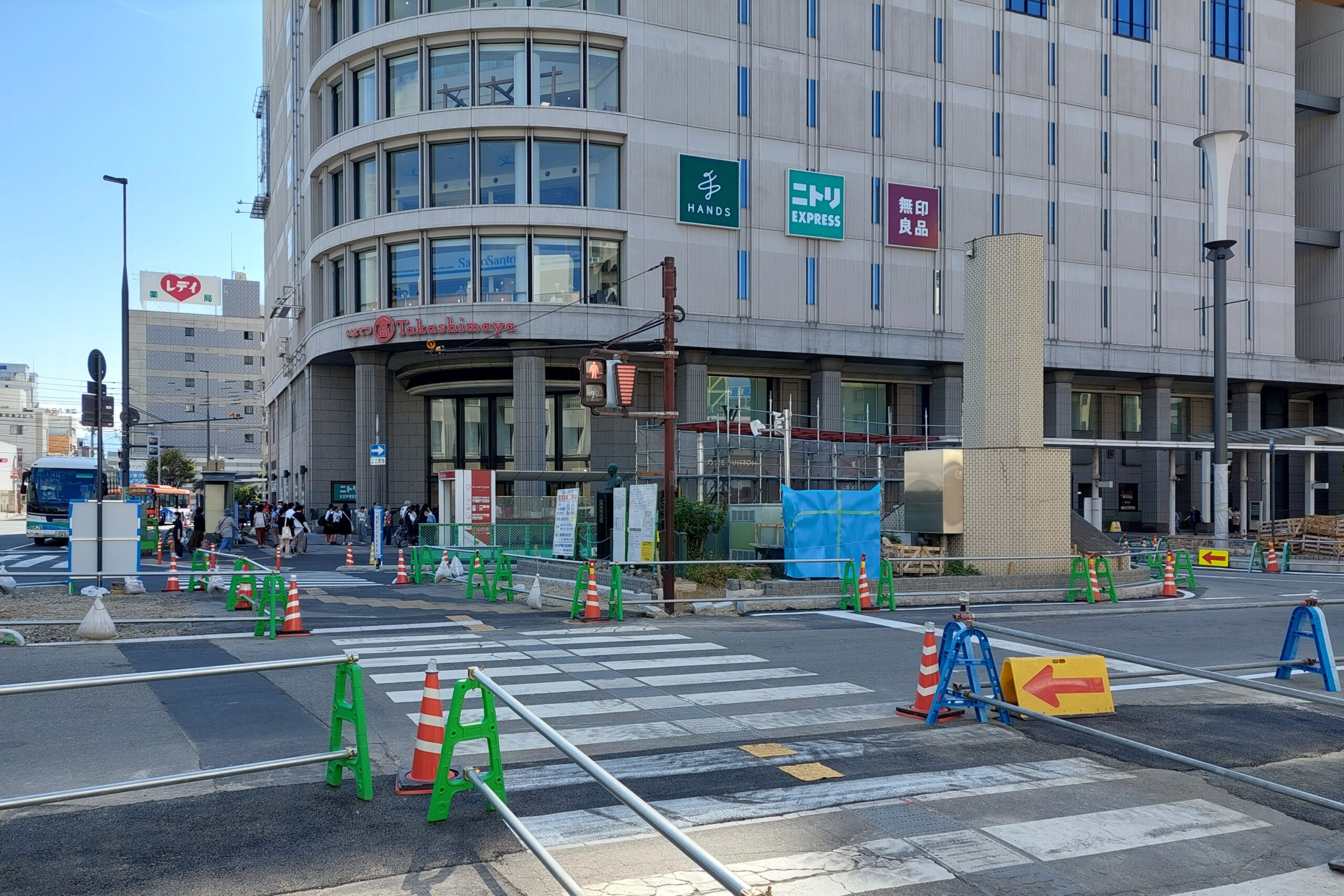
Write JR Matsuyama Station beside the intercity train you will use, and Matsuyama City Station beside an Iyotetsu suburban-rail journey. Keep the Japanese names available as well: JR松山駅 and 松山市駅. A map pin labeled Matsuyama without its operator can lead you to an entrance that is inconvenient for the journey you meant to make.
This distinction also matters when choosing a hotel. A room advertised near a station may be useful for shopping and an Iyotetsu departure but less convenient for an early JR train. Check the property's exact access instructions and trace the final walk. Historical station photographs help identify the different places; they are not current diagrams of entrances, construction barriers or tram boarding points.
Read the tram destination and route together
Iyotetsu's published network map distinguishes the city tram routes. Route 5 links JR Matsuyama Station and Dogo Onsen; route 3 links Matsuyama City Station and Dogo Onsen. The circular services also follow different circuits. Do not board a tram only because you recognize Dogo, Okaido or the word station somewhere on its route.
Check the route number, direction and displayed destination at the boarding stop. For the return, save the stop and service needed for the station you actually want. A journey from JR to Dogo and one from Matsuyamashi to Dogo can look similar on a sightseeing map while solving different transport needs. Consult the current operator map if a stop or service has changed rather than treating an old trip diary as live navigation.
Two tram journeys reveal a common navigation trap
In a travel account published in April 2025, Travelling Therese described a castle day trip that nearly ended with a missed train after confusing a tram's return destination with JR Matsuyama Station. The account valued the city's signs and help but still illustrates how an imprecise station name can undo an otherwise workable day.
A separate September 2020 diary by karibatakurou described deliberately boarding a Dogo Onsen-bound tram from the JR station area and enjoying the changing street scenery. One journey was purposeful; the other became hurried when the return assumption failed. JAPANOVA's inference is to save the reverse journey when you plan the outward ride. Neither account proves a present running time, vehicle assignment or fare, and racing for a train is not a sensible itinerary strategy.
Match an airport arrival to your hotel stop
Iyotetsu's English transport site distinguishes airport connections serving JR Matsuyama Station, Matsuyama City Station, Okaido and Dogo. Start with the hotel's full address and current airport-bus information instead of assuming every visitor needs to transfer at a station. A direct stop near your actual accommodation may reduce handling of luggage.
Check the selected departure's stop list and where you will get off. Do not infer that every bus on an airport route serves every named city destination. Keep the final walk and any reception instructions available offline. If arriving late, compare the scheduled service with a realistic exit from the airport and identify a fallback before deciding that a connection is assured.
Keep ordinary trams separate from the Botchan train
The heritage-style Botchan train is a separate sightseeing choice, with its own operating information and ticket conditions. It should not be the foundation of an essential station transfer. Iyotetsu's current information limits its operating days; confirm the precise date and service before building a visit around it.
For everyday movement, choose the ordinary route that reaches your destination and check its current payment instructions. If considering a pass, list the rides you will actually take and compare their current fares with the pass price. A photograph of a tram or a traveler praising a scenic ride does not demonstrate that a pass saves money for your itinerary. Avoid paying for unlimited travel merely because you have not yet drawn the day's walking route.
Make the final connection forgiving
Before a reserved JR departure, work backward from the correct station entrance and platform. Add time for the tram journey, waiting, walking and any luggage collection. A city stop's proximity to a sightseeing attraction is not the same thing as a reliable door-to-platform time. Give yourself room to change plans if you board late or encounter a service interruption.
Save four items for each important transfer: complete station name, tram route or bus destination, boarding point and final walk. On the day, compare those notes with the live display. Matsuyama's transport becomes much easier to use once JR Matsuyama and Matsuyamashi are treated as two specific places, each with its own role in your trip.
Research-based guide prepared by JAPANOVA. Traveler accounts are individual self-reports; comparisons are editorial analysis.