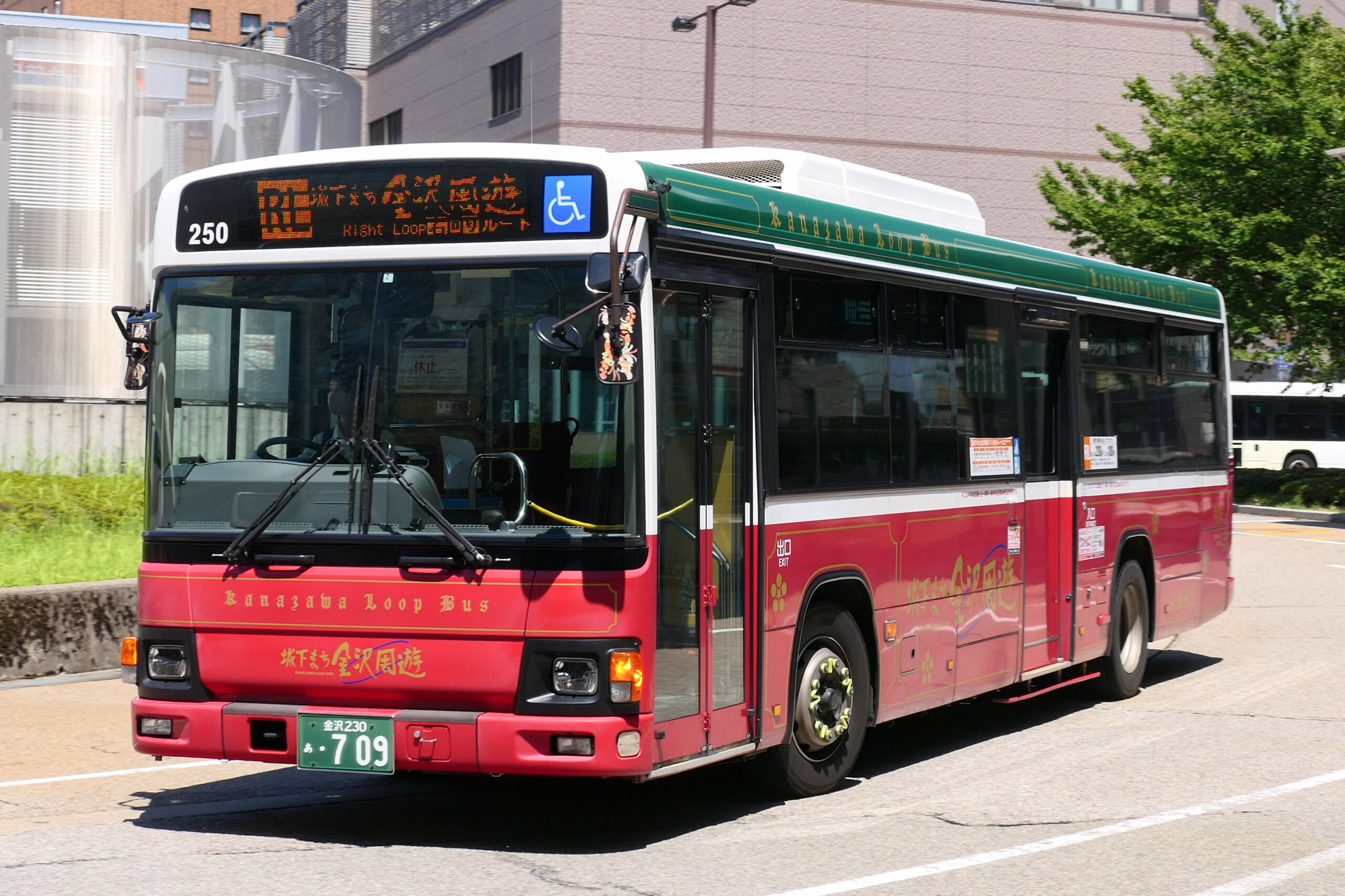
Haruka and Nankai do not deliver you to an interchangeable place called central Osaka. Before comparing airport-ticket offers, find the station and exit nearest your hotel. Then compare the train, any transfer and the final walk. That is usually a more useful decision than choosing whichever advertised airport journey has the shortest running time or the most attractive train photograph.
- Find the hotel station before choosing the airport train
- Understand the fare and reservation product
- Two journeys show why the starting point matters
- Include the final transfer in the comparison
- Keep ticket eligibility separate from train choice
- When a private transfer is worth comparing
- Leave a flight margin rather than chasing a minimum time
- Facility and shop information
Find the hotel station before choosing the airport train
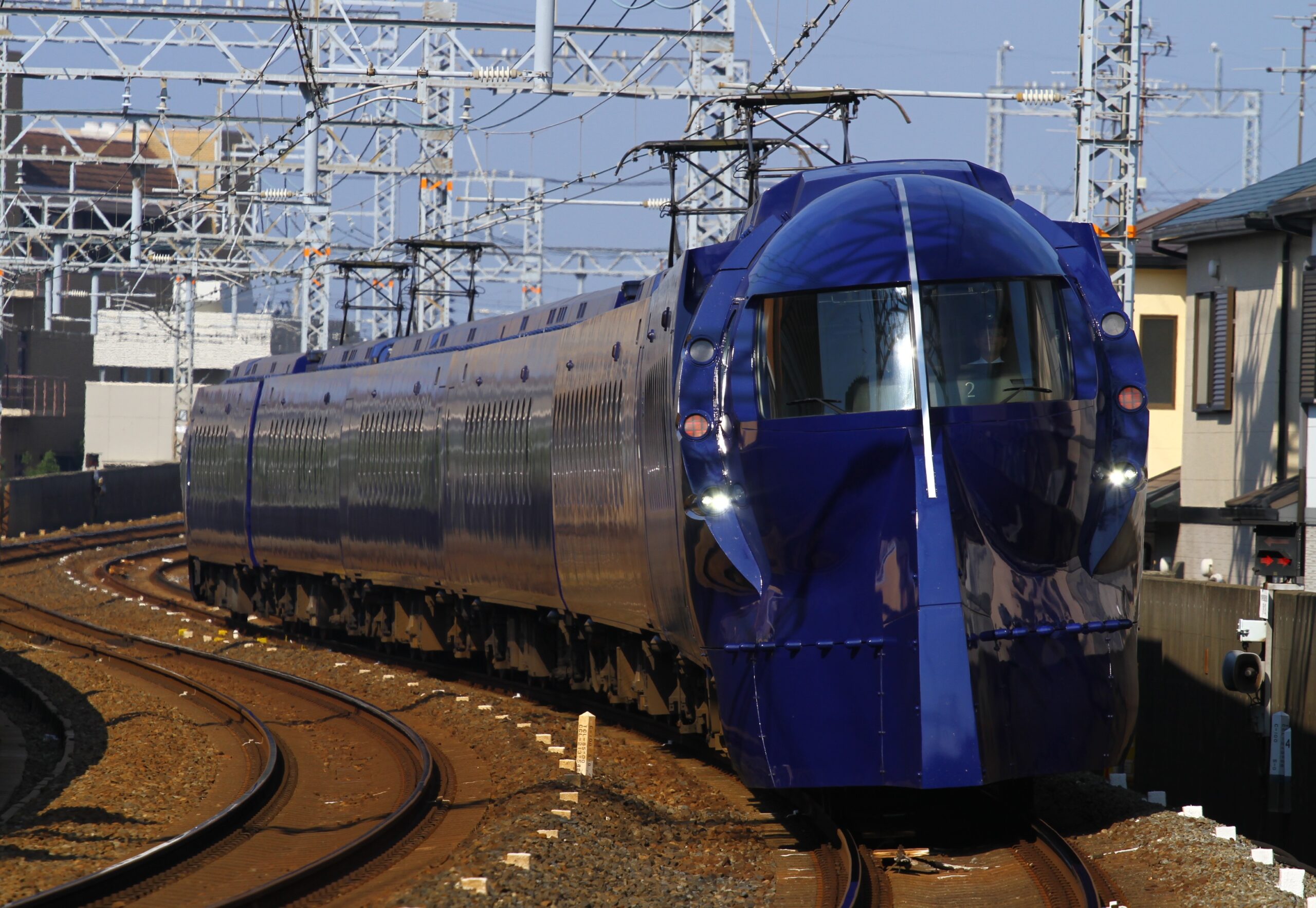
JR-West describes Haruka as providing direct service between Kansai Airport and Tennoji, Osaka, Shin-Osaka and Kyoto. Nankai's Rapi:t connects the airport with Nankai Namba. Start by seeing which of those stations fits the address you have booked. A hotel near Namba and a hotel near Osaka Station can create quite different airport journeys even though both listings say Osaka.
Two hotel examples make the difference concrete. Swissotel Nankai Osaka says it sits above Nankai Namba Station, so Nankai is a natural first comparison for that address. Hotel Granvia Kyoto gives Haruka arrivals specific instructions: use the JR Chuo Main Exit, then the escalator on the right to its second-floor lobby. Those examples are not hotel rankings or evidence that every Namba or Kyoto hotel has equally simple access. A hotel across town still needs its own onward route.
Write down the full station name and operator. If your accommodation requires another line, compare that transfer before buying an airport ticket. A direct airport train to one major hub may still leave an awkward final journey, while another route can be more convenient overall. The best answer can change between arrival and departure if you move accommodation during the trip.
Understand the fare and reservation product
Nankai states that Rapi:t is all reserved seating and requires a limited-express ticket in addition to the normal train fare. An ordinary Airport Express is a different service. Do not board a reserved train on the assumption that paying a basic fare settles the seat requirement. Check the product, departure and seat information before passing through the gate.
Haruka also has fare and express-ticket requirements. Different ordinary and discounted products have their own purchase and use instructions. For the eligible discounted Haruka one-way product, JR-West lists adult sale prices through October 31, 2026 of ¥1,300 to Tennoji, ¥1,800 to Osaka or Shin-Osaka, and ¥2,200 to Kyoto. From November 1 purchases, those become ¥1,600, ¥1,900 and ¥2,700 respectively. JR-West says the purchase date determines the price, not the exchange or travel date. These are product-specific rates, not fares available to every traveler. Compare the full journey total rather than a supplemental amount or a promotion headline. If traveling as a group, compare the total for everyone, including the onward transfer, not only the price printed beside one adult fare.
Two journeys show why the starting point matters
A May 2026 account describes taking Rapi:t toward the airport and Haruka back to Tennoji. The writer was glad to have reserved Rapi:t ahead because their particular departure was full. A separate diary published in July 2026, describing a January trip, recalls boarding Haruka at Osaka's underground Umekita platforms to travel with a friend. These are specific journeys, not a survey proving which train is more comfortable or more likely to sell out.
Both travelers used a train to solve a personal problem: securing a seat on one departure, or coordinating a group from a particular station. The difference matters more than a generic popularity contest between operators. JAPANOVA's inference is to choose the useful departure and arrival point first, then decide whether reserving solves a problem for your party. Do not forecast today's seat availability from either report.
Include the final transfer in the comparison
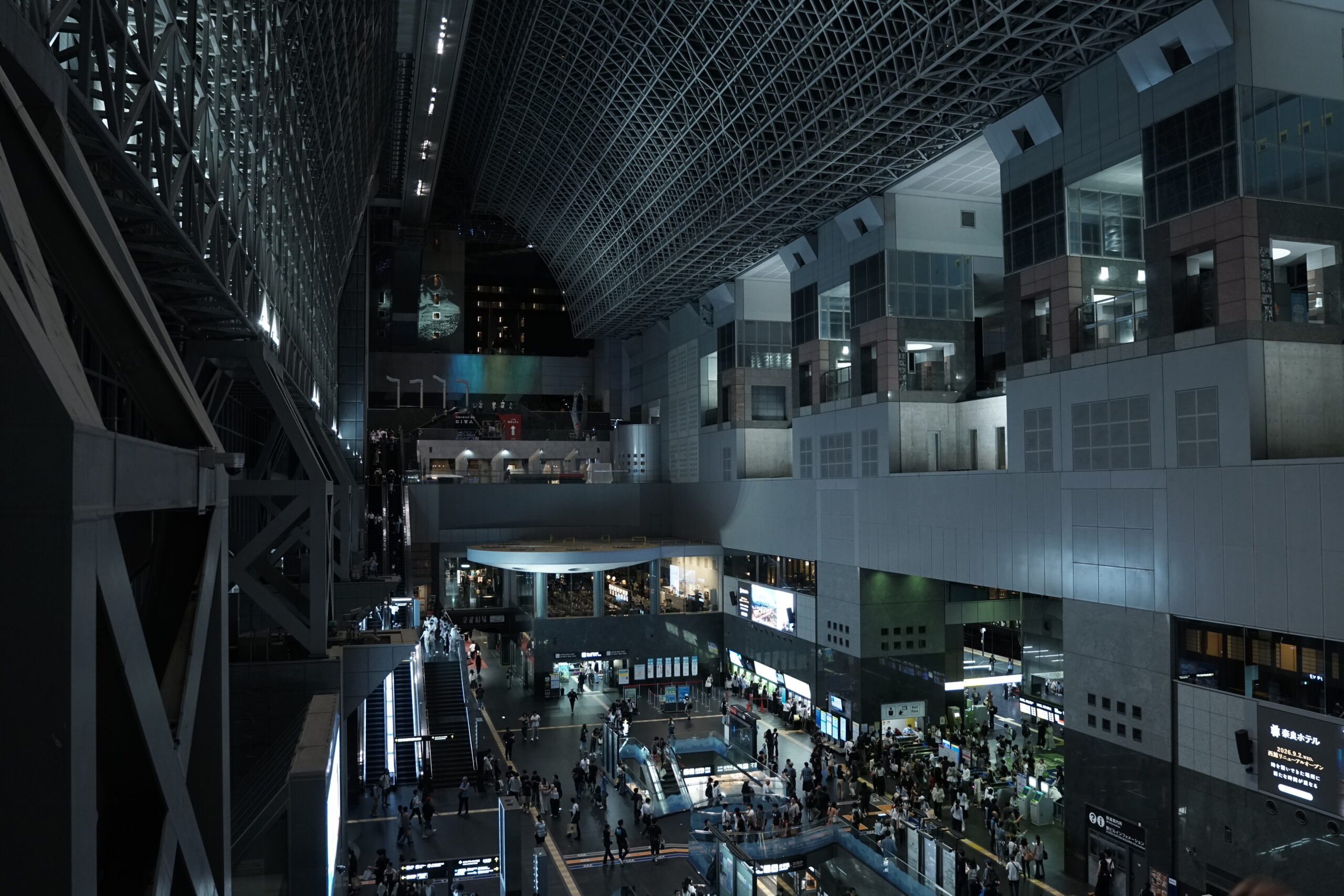
When searching, compare the same endpoints and travel date. A search ending at Nankai Namba is not a complete comparison with one ending at your hotel door beyond Osaka Station. Include the walk between operators, the next departure and the exit route. Save the hotel's own arrival instructions, particularly if its closest entrance is not the exit suggested by the first map result.
For a family or a group carrying large bags, consider how many times you will lift and move those bags. For a solo traveler with a small case, a straightforward transfer may be an acceptable trade for a lower total. Neither preference is universal. If an assistance requirement affects boarding or transfers, check it with the operator before treating a simple-looking route as suitable.
Keep ticket eligibility separate from train choice
JR-West's discounted Haruka one-way product is not the same question as whether a train stops at your destination. It requires a foreign-government passport and Temporary Visitor status; Japanese nationals are excluded. Read its covered section and reservation instructions. The WEST QR version requires an internet-connected smartphone, which may be a companion's, and reserves seats in dedicated cars. If those seats are full, its rules allow a non-reserved seat rather than a reserved seat in a different car, with no refund of the difference. Do not assume every Haruka ticket bought from every seller uses the same process.
If you already have a rail pass, check the exact pass and its applicable service and seating rules. A pass from one operator should not be treated as permission to use another operator's airport train. The operator links below are for checking the exact rail product; they do not offer a special JAPANOVA discount. The separately identified private-transfer link is an optional affiliate alternative.
When a private transfer is worth comparing
A car is most useful to compare when the final hotel connection, several cases or a group makes rail transfers awkward. Compare the total vehicle quote with everyone's train fares and onward transport. Do not assume a car is faster in traffic or necessary for a hotel directly above the useful station.
One relevant listing is kansai holiday's KIX–Osaka/Kyoto private transfer on Viator. Its inspected one-way inclusions cover vehicle, driver, booked-route fuel and tolls, airport meet-and-assist, and one child seat on request. Airport waiting is ninety minutes from actual landing; hotel waiting is thirty minutes from the arranged pickup. The listed 22:00–07:00 surcharge is ¥2,000 cash, with extra waiting, out-of-area stops and excess-capacity upgrades charged separately. Confirm the vehicle against both passenger and bag counts and the exact hotel address.
The service is not wheelchair accessible and does not guarantee an English-speaking driver. Its listing also excludes travelers with heart problems or other serious medical conditions; confirm participation requirements directly if this affects your party. Keep the agreed contact method reachable; stopping restrictions can change the meeting or drop-off point. The cancellation policy provides a full refund at least twenty-four hours before the local start, no refund later, and no changes within that window. Confirmation is listed at booking, but we have not checked a selected date, vehicle availability or a final quote. Wi-Fi appears in both inclusion and exclusion lists, so do not rely on it. The comparison is for a one-way transfer, not an assumed return journey or sightseeing tour.
Ask for the full payable amount, waiting policy and a workable meeting point before paying. A train avoids road-traffic uncertainty; a correctly specified transfer can reduce luggage handling. The useful comparison is those trade-offs for your party, not an advertised starting price without your route.
Leave a flight margin rather than chasing a minimum time
On departure day, work backward from the airline's required check-in and security timing. Confirm the airport terminal and the journey from the rail station to that terminal. Train running time excludes packing, hotel checkout, local transfers and airport procedures. A small fare saving is not useful if the plan depends on every stage taking its minimum time.
Check current operating information and a fallback before leaving. For a late arrival, identify the last connection you can realistically use rather than assuming a delayed flight preserves your original train choice. Choose Haruka or Nankai because the whole route fits your destination, baggage and ticket conditions. The right airport transfer is the one you can explain from terminal to hotel entrance.
Research-based guide prepared by JAPANOVA. Traveler accounts are individual self-reports; comparisons are editorial analysis.
Facility and shop information
- Swissotel Nankai Osaka — checked 2026-10-26
- Hotel Granvia Kyoto — checked 2026-10-26
- kansai holiday / Viator — checked 2026-10-26