Ueno and Asakusa can both work as an eastern Tokyo base, but the better hotel is the one whose station route and evening surroundings fit your actual itinerary. Choosing by a neighborhood photograph alone can conceal a long walk to the line you will use most. Before comparing room rates, put your arrival, two sightseeing days and departure on a map and identify the stations involved.
Choose Ueno when its rail connections match your plans
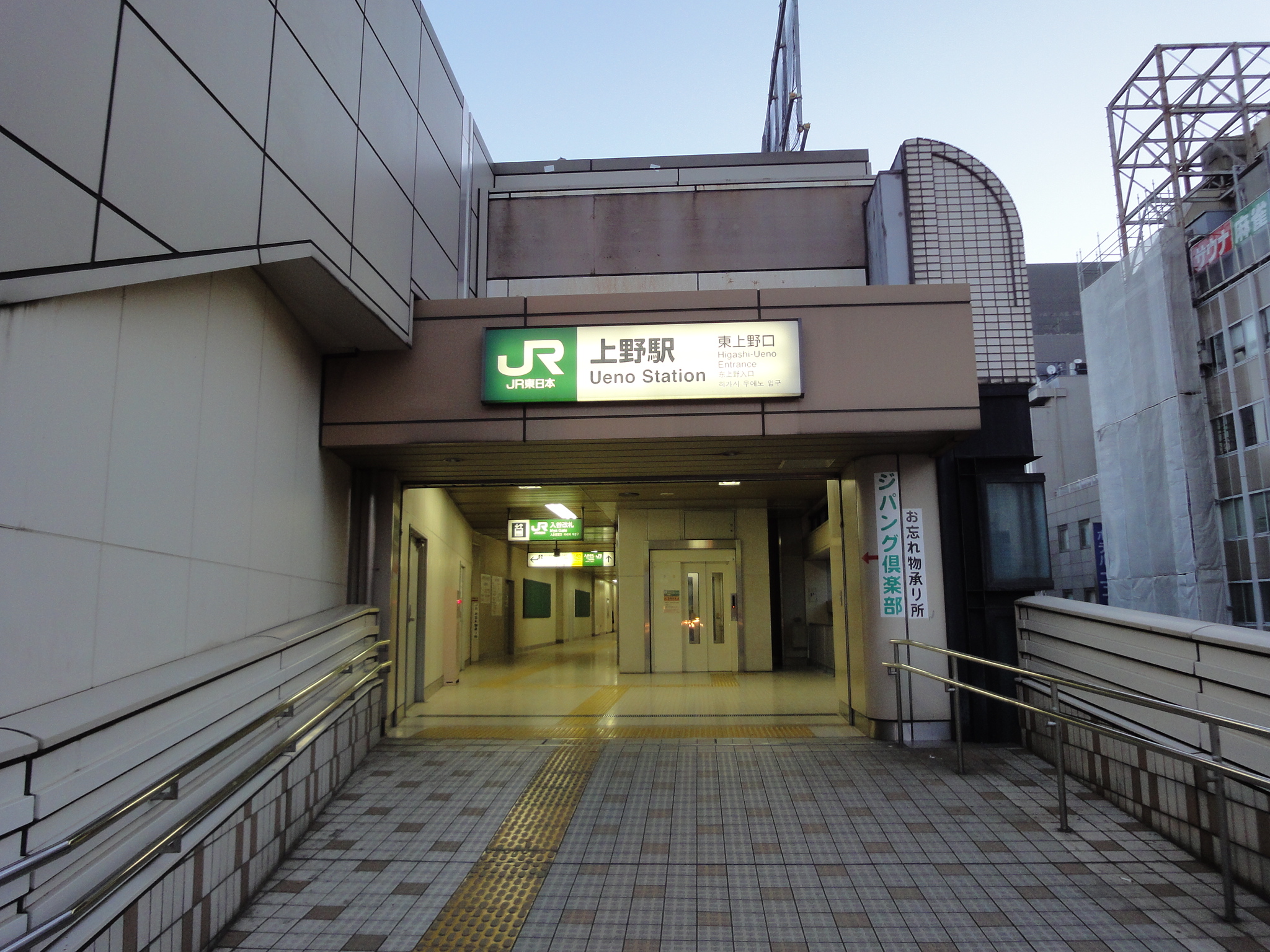
GO TOKYO describes Ueno as a transport hub beside the park and museums, with Ameyoko stretching toward Okachimachi. It identifies the Ginza and Hibiya subway lines and the separate Keisei Ueno station. Those names matter: a hotel advertised as near Ueno may be convenient for one entrance and less useful for another service.
For an airport arrival or an onward journey, calculate the trip to the hotel's actual entrance rather than stopping at the station name. Check your current route with the transport operator; this guide does not promise a particular airport fare or a transfer-free train at every time. For museum-focused days, the park-side walking route may matter more than a small difference in the advertised room price.
Choose Asakusa when the local mornings and evenings matter
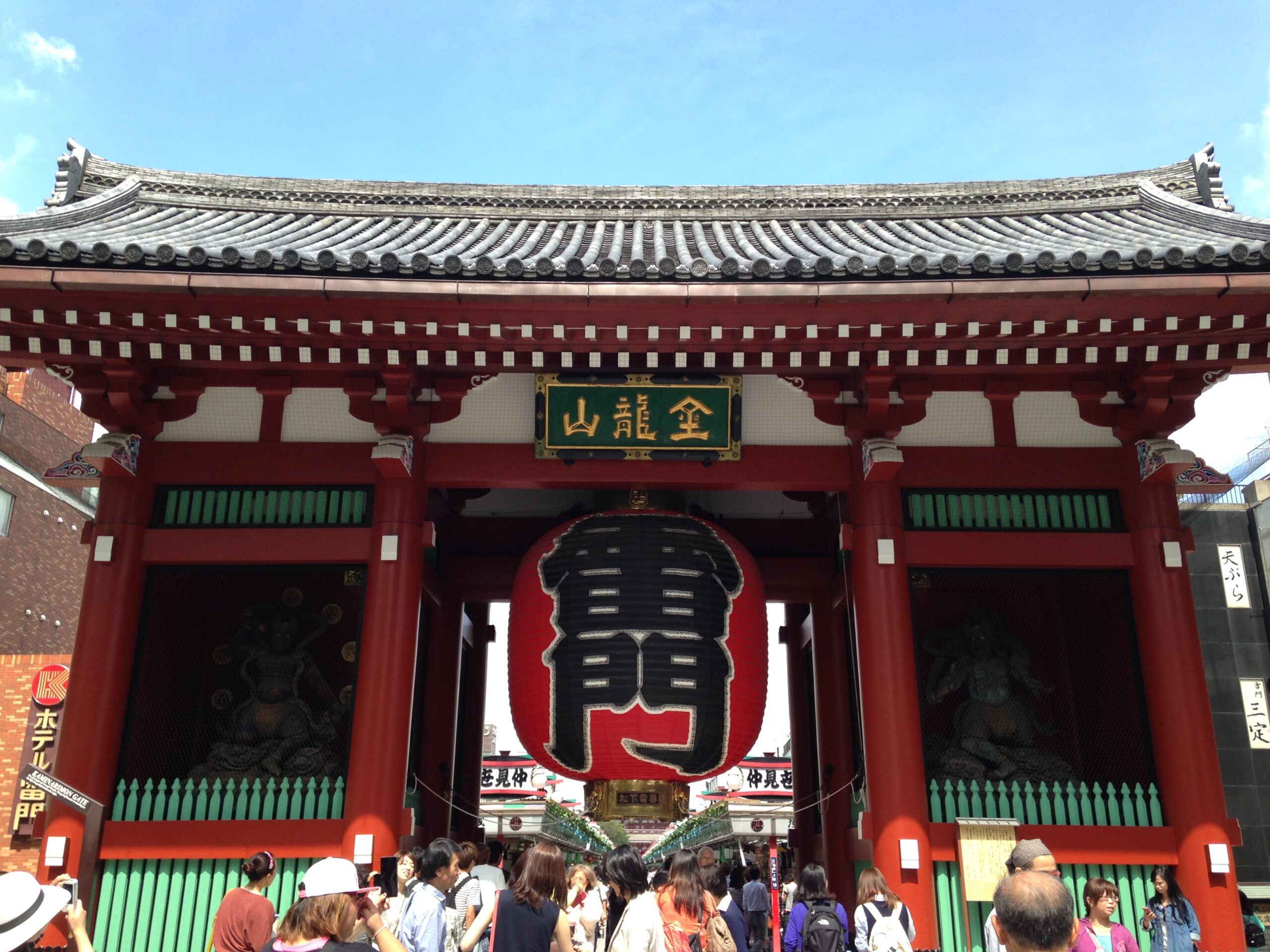
The official Asakusa guide centers the area on Sensoji, Nakamise and the Sumida River. It lists Ginza, Toei Asakusa and Tobu services at Asakusa Station. Hotel access descriptions can also refer to Tsukuba Express Asakusa, so check the line as well as the shared name.
Richmond Hotel Asakusa illustrates the distinction: its official page gives a short walk from Tsukuba Express Asakusa and a longer walk from the subway lines. It is an example of why a booking should be tested against your route, not a claim that this is the best hotel. If an early temple walk is part of your plan, local access can be a genuine advantage; if most evenings are elsewhere, include the repeated return journeys in the comparison.
What visitors valued, and why their preferences differ
A November 2024 travel blog describes several weeks staying in each area and the familiarity that developed from returning after sightseeing. In a separate August 2026 Reddit discussion, a recent Ueno guest values the station access after a late arrival, while an Asakusa guest describes enjoying quieter surroundings away from the temple crowds.
These are individual experiences, not evidence that either neighborhood is uniformly quiet or that every hotel has the same access. The useful agreement is that the surroundings where you return each night matter. Our inference is to choose the exact block and station route first, then the broader neighborhood label. A visitor's affection for an area cannot establish noise inside a room, and daytime crowds at one landmark do not describe every street after dark.
Compare the room you will actually book
Create a shortlist with one realistic option in each area. Match occupancy, room size, beds, smoking status, breakfast and cancellation terms before comparing the total. A double bed and a twin room are different purchases; a low starting rate may describe a room that does not meet your group's requirements. Check whether taxes and any required extras are included in the displayed final amount.
If you have luggage, mobility needs or young children, inspect the station exit and hotel entrance route. A short walk can still include stairs or a large crossing. Ask the property about the facilities that matter rather than inferring them from the exterior. Do not assume that a station photograph shows the route you will use or that one hotel brand has identical rooms across its properties.
Test the choice against three real journeys
Before booking, test three journeys: airport or arrival station to the hotel, hotel to your most important outing, and hotel to the departure point. Then add one evening you realistically expect to spend nearby. If the room looks like a bargain only because you have omitted repeated transfers, compare again using the whole stay.
You do not need to move hotels merely to visit both areas. The decision is about where to sleep, not which neighborhood you are allowed to explore. Save the Japanese address and the exact arrival instructions with your confirmation. Choose the place that makes the days you want easier; neither Ueno nor Asakusa needs to win a universal Tokyo neighborhood contest for your booking to be a good one.
Research-based guide prepared by JAPANOVA. Traveler accounts are individual self-reports; comparisons are editorial analysis.
Facility and shop information
- Richmond Hotel Asakusa — checked 2026-10-19