An Ise hotel search should begin with the journey between your train, your hotel entrance and the places you intend to visit. A station name alone is not precise enough. A property advertised near Iseshi Station can suit a different exit from the one you first see, while an evening walk toward Ujiyamada may matter more to some visitors than shaving a minute off arrival. Choose the overnight for a practical purpose before choosing the room.
- Decide whether the overnight solves a real problem
- Read the station exit before comparing walking minutes
- What two hotel diaries add to the decision
- Compare the property and the room separately
- Build the evening and departure into the choice
- Book the address and conditions rather than a station label
- Facility and shop information
Decide whether the overnight solves a real problem
Staying in Ise can separate arrival, sightseeing and departure into less crowded blocks of your personal schedule. That does not mean every visitor needs a hotel. If your onward journey and intended visits fit comfortably into a day, an overnight may add cost without solving much. If you want a relaxed evening or do not want to combine every transfer with sightseeing, compare what one night would change.
Write down where your first activity starts and where your next train leaves. Keep any bus journey or separate transfer in the plan instead of assuming the station area puts every destination at your door. This article compares base selection, not a promise that all of Ise's sights are within walking distance of either station.
Read the station exit before comparing walking minutes
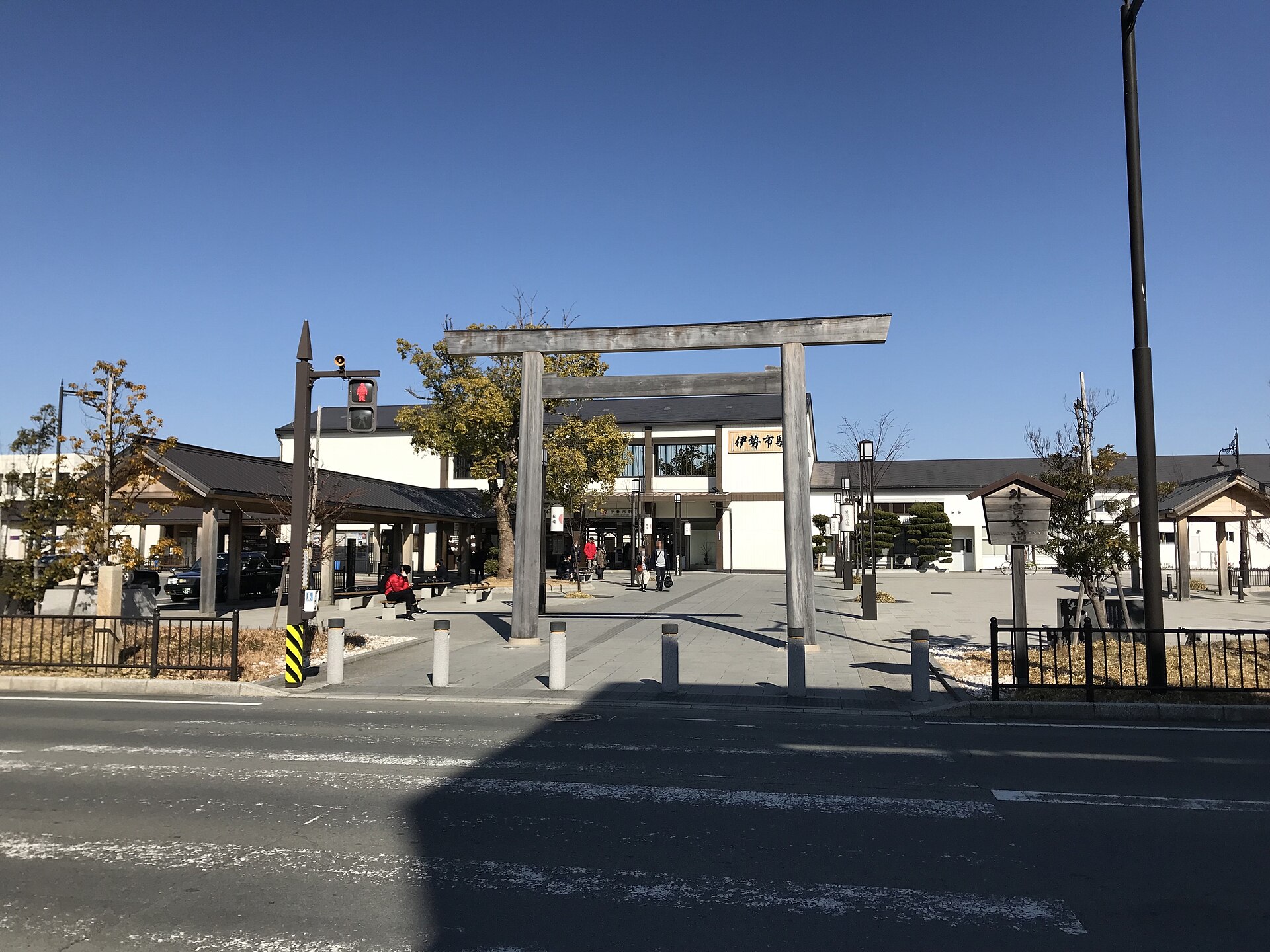
Ise City Hotel's own current site specifies roughly three minutes from Iseshi Station's Kintetsu exit and around fifteen minutes on foot from Geku. Those are access estimates from the operator. The named exit is the important detail: save the hotel's current arrival guidance alongside its address, rather than rely only on a booking site's distance from the station marker.
Check your arriving railway and the current station information before deciding which route to follow. If directions are unclear, ask the hotel about the appropriate exit and a luggage-friendly approach. Do not take a crossing arrangement described in an old diary as a statement about today's public access, ticket gates or construction. Station photographs help identify a place but do not replace a current route.
What two hotel diaries add to the decision
Chupapa's first-person account of a July 2017 couple's stay at Ise Pearl Pier warns that leaving Iseshi Station on the Geku side turns the advertised short walk into a longer approach. The writer enjoyed the room and its railway view. The useful lesson is the importance of choosing the appropriate exit, rather than treating a nine-year-old account as a current map or room inspection.
A separate Eemon2014 diary describes an Ise City Hotel stay, resting before an evening outing toward Ujiyamada and appreciating the railway scenery from the room. The same writer was disturbed by train noise at night. The room, dining details and noise impression belong to that particular historical stay; they do not establish what every room or guest experiences now.
Both accounts found railway proximity useful, but it brought different practical consequences: an exit-related detour warning in one account and a trade-off between a view and nighttime quiet for the other. JAPANOVA's inference is to verify the exit and ask about room orientation when quiet matters. A train view is a preference to discuss, rather than an unconditional hotel benefit.
Compare the property and the room separately
Compare the same dates, occupancy, bed configuration, cancellation terms and meal inclusion. A convenient building can still contain a room category too small for your luggage or unsuitable for the group sharing it. If quiet is important, ask which room options may reduce railway exposure, while recognizing that a request is not a guarantee of silence.
For Ise City Hotel, current official information should govern the booking. Its site announces a September 2026 breakfast renewal and price change, which is another reason not to copy old meal descriptions or diary prices into a present budget. Check the current plan you are actually buying, including whether breakfast timing supports your morning itinerary.
Build the evening and departure into the choice
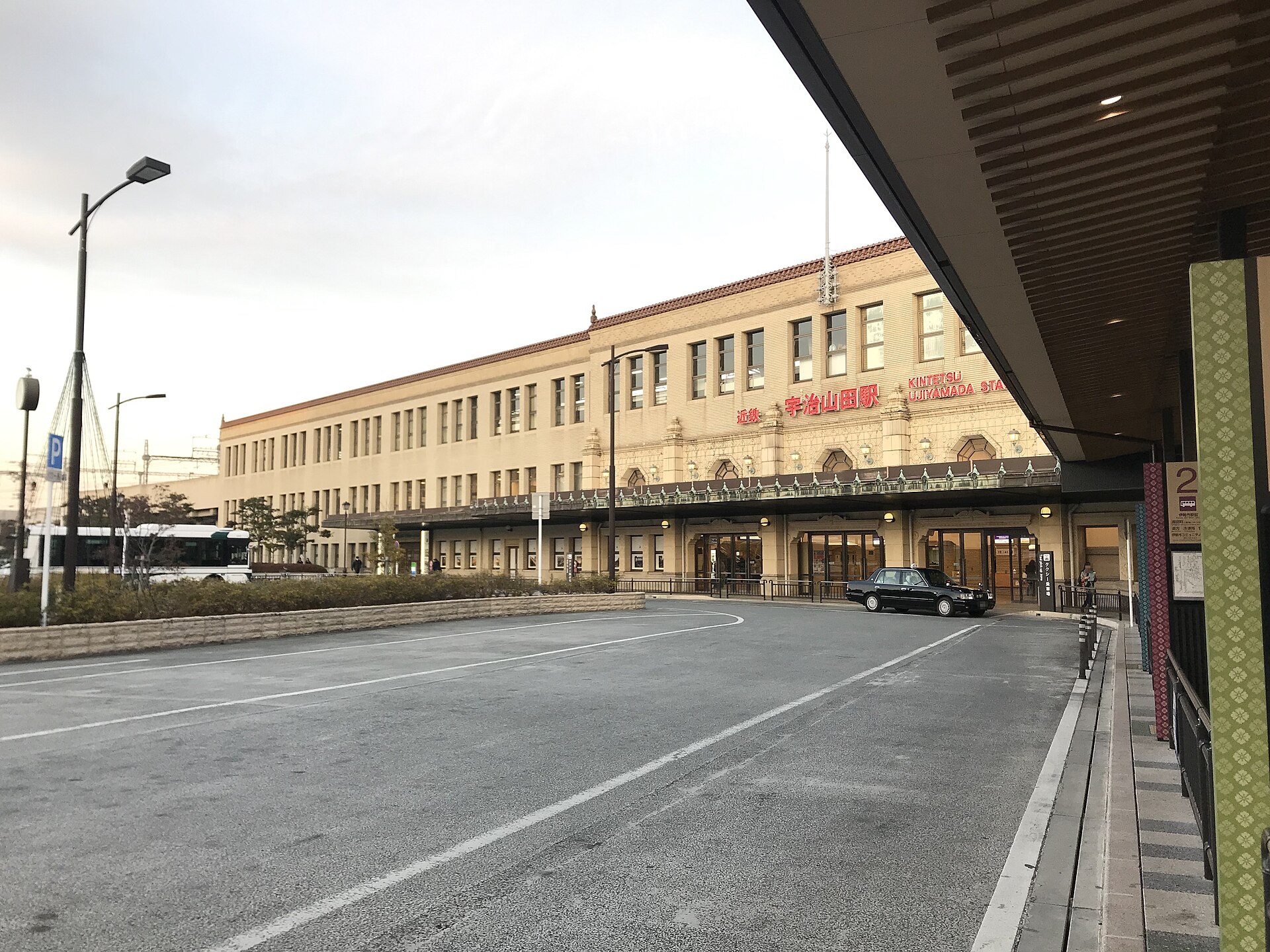
An overnight is more valuable when you know how you want to use the evening. You might prefer a short outing followed by an early return, rather than a second ambitious sightseeing circuit. Identify a realistic dinner option and its current opening arrangements before assuming the neighborhood will supply whatever you want after a late arrival.
If you arrive by car, check the chosen hotel's own parking arrangement, availability rules and cost. Do not treat a past visitor's successful parking experience as a reserved space. For a rail departure, work backward through checkout and carrying your bags. A hotel near the correct exit may matter more on a tight morning than a more appealing photograph of another district.
Book the address and conditions rather than a station label
Keep the hotel name, entrance directions, exact room plan and cancellation deadline together. Confirm any essential access or room requirement directly while you can still change the booking. The Iseshi and Ujiyamada station photographs here provide exterior context; they are not hotel interiors or evidence that an old route remains unchanged.
Choose a night in Ise if it makes the actual trip more comfortable. Then choose the station approach and room that support that purpose. Resolving those details before arrival is more useful than collecting an apparently short walking time and discovering, with your suitcase, that it began on the other side of the railway.
Research-based guide prepared by JAPANOVA. Traveler accounts are individual self-reports; comparisons are editorial analysis.
Facility and shop information
- Ise City Hotel / Greens — checked 2026-10-19